IP65 vs IP67: Which Waterproof Rating Is Better for Outdoor Lighting?
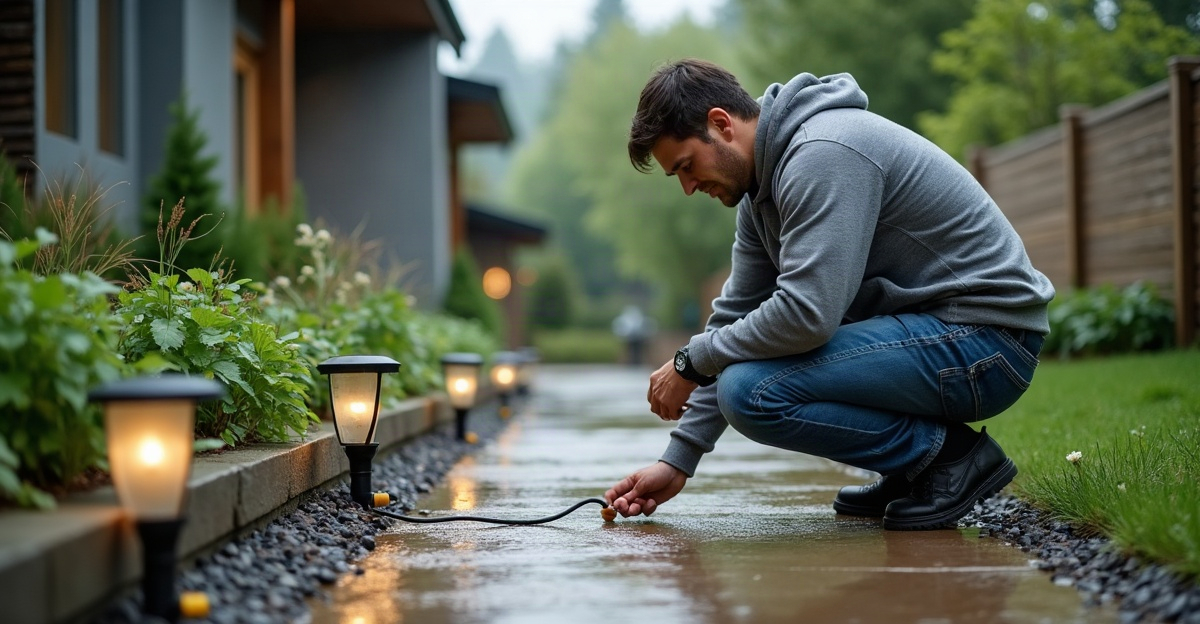
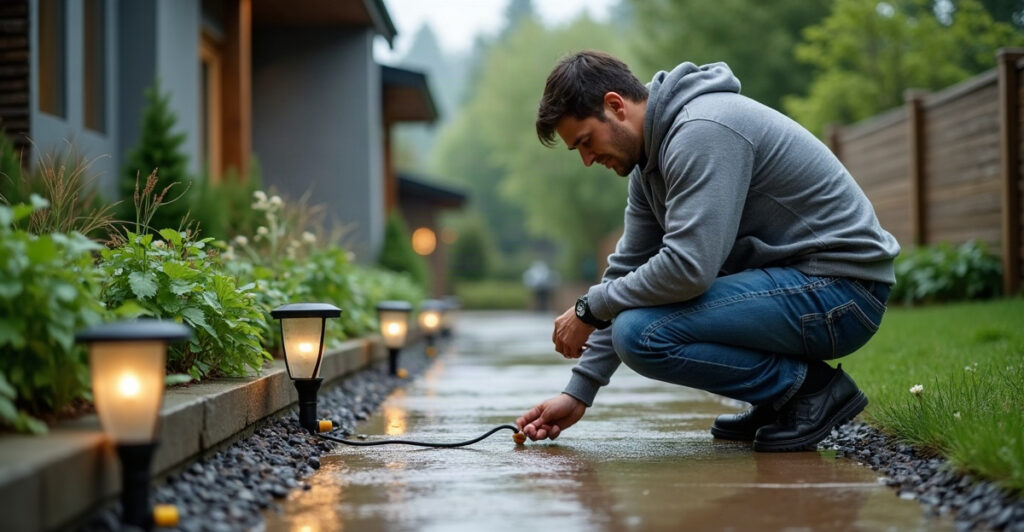
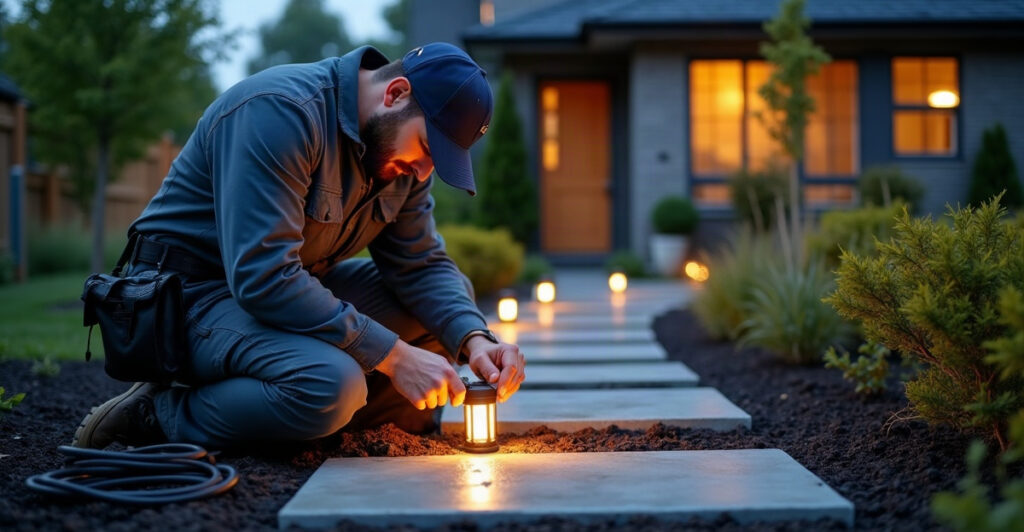
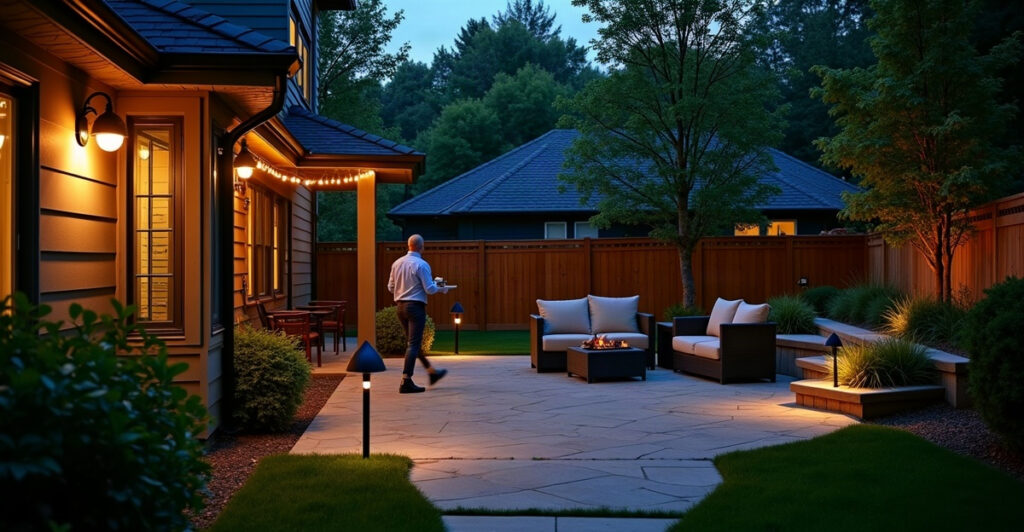
Choosing between IP65 and IP67 for outdoor lighting depends on where we install each fixture, connector, controller, and power supply, plus its expected water exposure. IP65 often works well for elevated roofline and soffit lighting exposed to rain and sprinkler spray. IP67 may suit low-mounted areas where temporary water pooling presents a realistic risk.
Key Takeaways
- Both IP65 and IP67 ratings provide complete dust protection. Their key difference is the level of water protection.
- IP65 protects against water jets from any direction. It’s often suitable for correctly mounted outdoor lighting with reliable drainage.
- IP67 protects against temporary immersion under manufacturer-defined test conditions. It doesn’t support prolonged submersion or flood exposure.
- A higher IP rating doesn’t replace sealed connections, protected power equipment, secure mounting, and effective drainage.
- We should assess the full lighting system—including fixtures, connectors, controllers, and power supplies—against the property’s real weather, irrigation, and standing-water conditions.
Your content is already structured with valid HTML headings, paragraphs, links, lists, and a table.
One recommended wording adjustment: avoid calling IP67 a “waterproof rating”. IP ratings describe resistance to ingress under defined test conditions, and IP67 does not mean a product is universally waterproof or suitable for ongoing submersion. Your existing explanation later in the content already communicates this distinction well.
For consistency, consider changing:
“The extra temporary-immersion protection of an IP67 waterproof rating…”
to:
“The extra temporary-immersion protection provided by an IP67 rating…”
This keeps the language technically accurate while supporting the rest of the article’s emphasis on proper drainage, sealed connections, component placement, and professional installation.