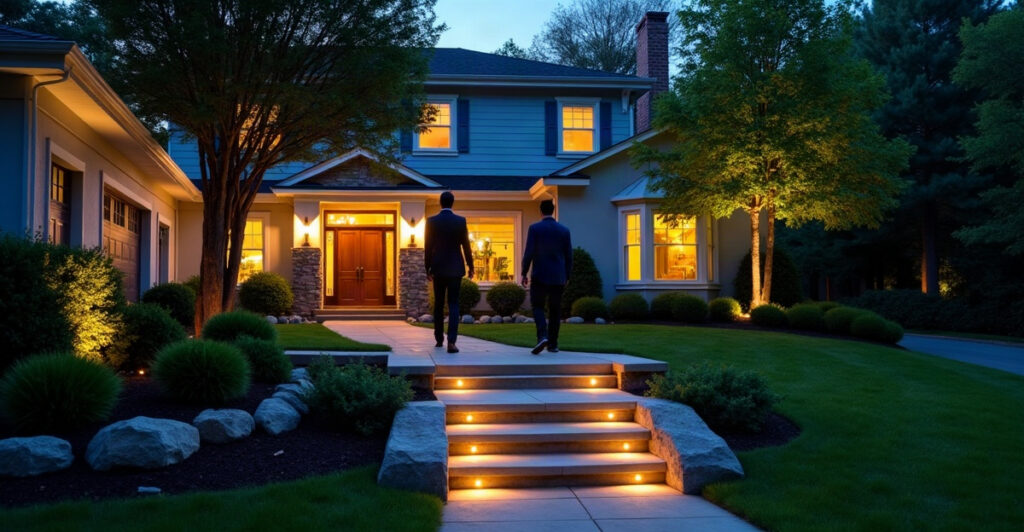
Outdoor Lights for Backyard Spaces That Feel Warm and Safe
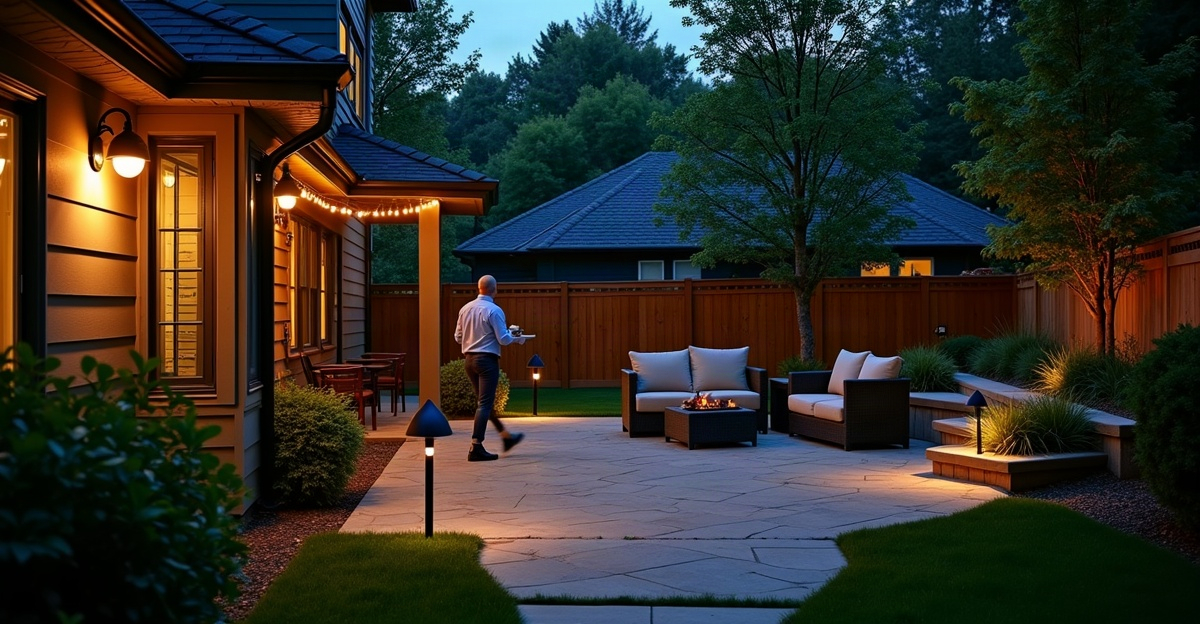
Outdoor backyard lighting creates a welcoming, safe setting by combining ambient light for comfort, task lighting for stairs and paths, and targeted visibility at gates and entry points. A layered layout using warm color temperatures, shielded fixtures, reliable controls, and weather-rated equipment improves how we use the space while limiting glare and unwanted light spill.
Key Takeaways
- Use layered lighting rather than a single high-output floodlight to support comfort, visibility, and security.
- Choose warm, dimmable fixtures for patios and seating areas, and add low-level lights for steps, decks, and pathways.
- Install targeted, motion-activated lighting at side yards, gates, and utility areas instead of near relaxation spaces.
- Select fixture brightness, weather ratings, and controls based on each area’s purpose, exposure, and electrical access.
- Work with qualified professionals for hardwired systems, permanent fixtures, new circuits, and installations near water.
Build a Backyard Lighting Plan That Feels Warm, Visible, and Safe
Outdoor lights for backyard spaces work best as a layered system, not a collection of bright fixtures. We combine ambient lighting for comfort, task lighting for activity and navigation, accent lighting for visual depth, and security-focused lighting where visibility matters most.
Warm light and bright light serve different purposes. Warm lighting describes a softer, more inviting color appearance. Brightness describes the amount of visible light a fixture produces. A patio can feel welcoming with warm, moderate light, while a side gate may need a brighter, targeted fixture for safe access.
One powerful floodlight often creates glare, hard shadows, uncomfortable seating areas, and light spill beyond the property. We recommend placing the right amount of light in the right location instead. This approach makes backyard lights for outdoor living feel intentional while helping people move through the space confidently.
Start with real after-dark habits. Consider dining, entertaining, pet walks, pool use, quiet evenings, customer visits, storage access, side gates, and paths between the home and detached structures. Then identify the darkest or highest-risk locations, including stairs, uneven walkways, entry points, pool edges, gates, and side yards.
A complete plan also accounts for electrical access, weather exposure, preferred controls, fixture appearance during the day, and expected use. Some properties need occasional ambiance. Others need daily visibility, seasonal displays, architectural lighting, or a combination of each. Our outdoor lighting planning guide can help organize these decisions before installation.
Lighting improves visibility and helps define access points, but it is one part of property safety. Locks, cameras, alarms, gates, maintained landscaping, and sound household routines also matter. For additional planning ideas, review how lighting improves property security without relying on lighting as a complete solution.
Choose Lighting by Backyard Area and How It Is Used
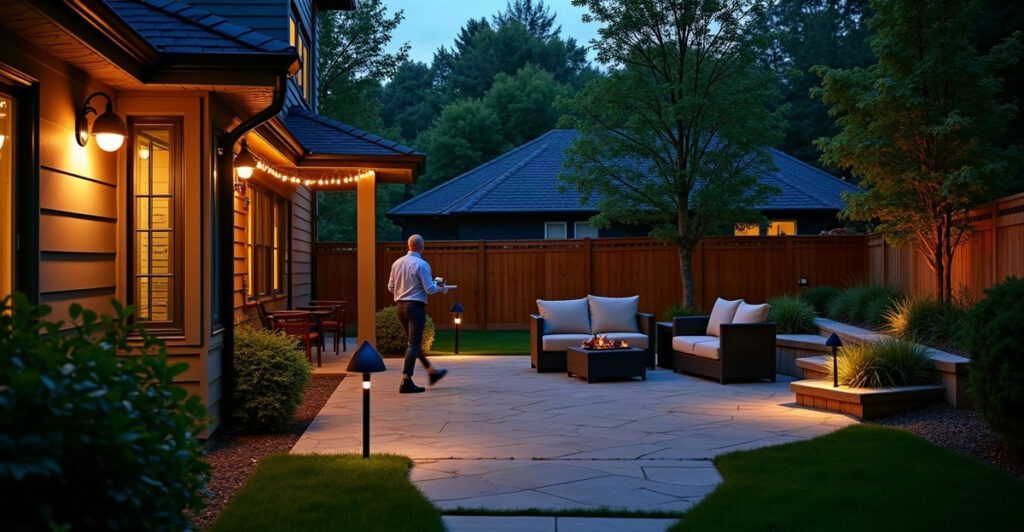
Patios and dining areas benefit from warm ambient light that supports conversation without shining into seated guests’ eyes. Dimmable overhead fixtures, carefully mounted string lights, and indirect lighting often work well. Avoid exposed, high-output bulbs at eye level.
Decks, stairs, and railings need low-level illumination that reveals changes in elevation. Step lights, riser lights, post-cap lights, and under-rail fixtures reduce shadows without turning the deck into a brightly lit platform.
Paths and garden borders need route definition, not a runway effect. Space path lights evenly enough to show the walking surface while leaving room for darkness between fixtures. Review common landscape lighting types before choosing fixtures for paths, trees, and planting beds.
Perimeters, gates, and side yards call for focused visibility. Shielded fixtures with motion activation or schedules work well in utility and access areas. Motion lighting is useful there, but it can feel disruptive around dining spaces and lounge areas.
Pool and water-feature lighting requires fixtures rated for wet locations and proper electrical installation. We recommend professional direction for any work near water and adherence to applicable electrical codes.
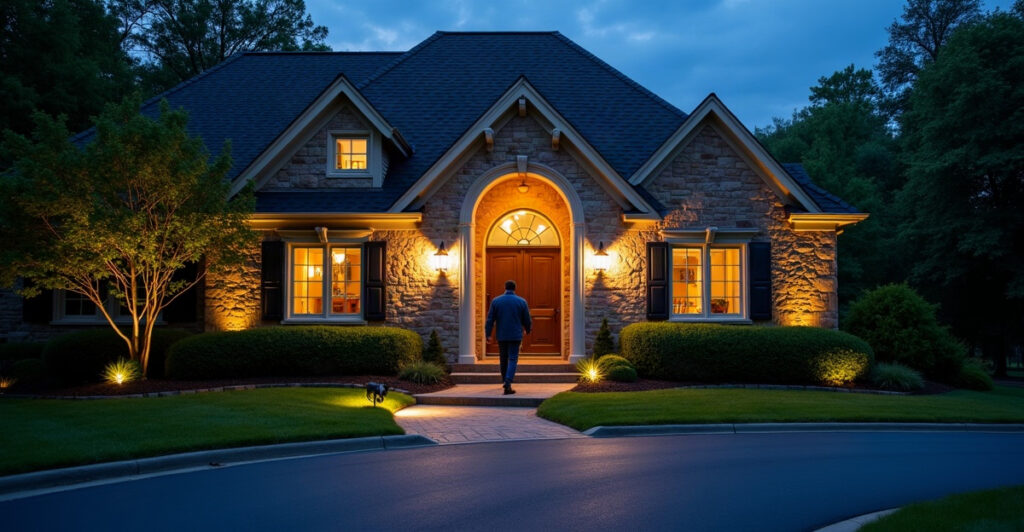
Trees, planting beds, and architectural details add depth when we light them selectively. A few carefully aimed uplights or downlights create a warmer scene than illuminating every feature equally. Professional landscape accent lighting gives the property visual structure while preserving comfortable darkness.
Commercial patios and outdoor seating areas need consistent, durable light that supports guest comfort and a polished appearance. Controls should make daily operation simple for staff while keeping entrances, walkways, and service areas visible.
Across every zone, direct light downward where possible. Shield the light source, aim fixtures away from neighboring windows, and position illumination to reduce shadows at stairs, paths, and entrances.
Understand the Lighting Basics That Affect Comfort, Durability, and Control
Lumens measure how much visible light a fixture produces. There is no single lumen number for the best outdoor lights for backyard use. The correct output depends on fixture placement, surrounding darkness, surface color, area size, and the task being supported.
Color temperature describes the appearance of light and is measured in Kelvin. Lower Kelvin values generally look warmer and more relaxed. Higher values look cooler and whiter. Warm tones often suit patios, seating areas, and landscaping, while cooler white light may suit select work or access areas.
Low-voltage landscape lighting uses a transformer to reduce household voltage for compatible outdoor fixtures. It can be an effective choice for paths, garden borders, trees, and architectural elements when the system is planned and installed correctly.
An IP or weather rating indicates resistance to dust and water exposure. Choose fixtures rated for their exact location. An exposed roofline, covered patio, garden bed, and poolside area can have very different exposure conditions.
Zoning allows separate control of areas such as the patio, pathways, side yard, and roofline. Timers, schedules, scenes, dimming, and app controls make that flexibility practical every day. With smart lighting automation, we can set useful routines without leaving every fixture on all night.
Responsible lighting also respects neighbors, wildlife, bedroom windows, and local requirements. Downward-facing fixtures, moderate output, shielded lamps, schedules, and careful aiming reduce unnecessary light spill. Fixture instructions, local requirements, and professional input should guide final placement and brightness.
Compare Common Backyard Lighting Options Before Investing
| Option | Best Use | Installation and Reliability | Controls and Upkeep | Long-Term Value |
|---|---|---|---|---|
| Solar path lights | Simple route definition without nearby power | Easy installation; performance depends on sun, batteries, weather, and product quality | Limited controls; batteries and fixtures may need replacement | Useful for basic needs, with variable consistency |
| String lights | Small patios, dining, rentals, and temporary events | Simple mounting; cords and weather exposure need attention | Basic timers available; bulbs and strands need periodic replacement | Affordable for contained, occasional use |
| Plug-in patio lights | Contained areas near weather-protected outlets | Moderate effort; requires safe cord routing and protected connections | Timers or smart plugs can help; visible wires may affect appearance | Practical where permanent work is unnecessary |
| Low-voltage landscape lighting | Paths, beds, trees, and architectural details | Requires system design and quality installation for dependable results | Supports zones and automation; occasional adjustment and maintenance | Strong option for durable landscape illumination |
| Motion floodlights | Gates, side yards, utility zones, and perimeters | Moderate to professional installation, depending on power needs | Motion settings need careful adjustment to prevent nuisance activation | Effective for targeted access visibility |
| Hardwired fixtures | Permanent patios, entries, and exterior structures | Dependable, permanent option; may require new circuits and professional work | Can support switches, dimmers, and automation | Good for long-term daily use |
| Permanent architectural lighting | Year-round ambiance, events, holidays, and rooflines | Professional installation provides cleaner wire management and consistent operation | Often supports app control, scenes, schedules, and zones | Higher initial investment with long-term convenience |
Solar lights can work well where electrical access is limited, but seasonal daylight, shade, battery condition, and weather affect performance. String lights and portable fixtures remain sensible for renters, temporary events, limited budgets, and small patios that need occasional ambiance.
For more visual direction, explore these backyard landscape lighting ideas and modern outdoor lighting ideas.
When Professionally Installed Permanent Lighting May Be Worth Considering
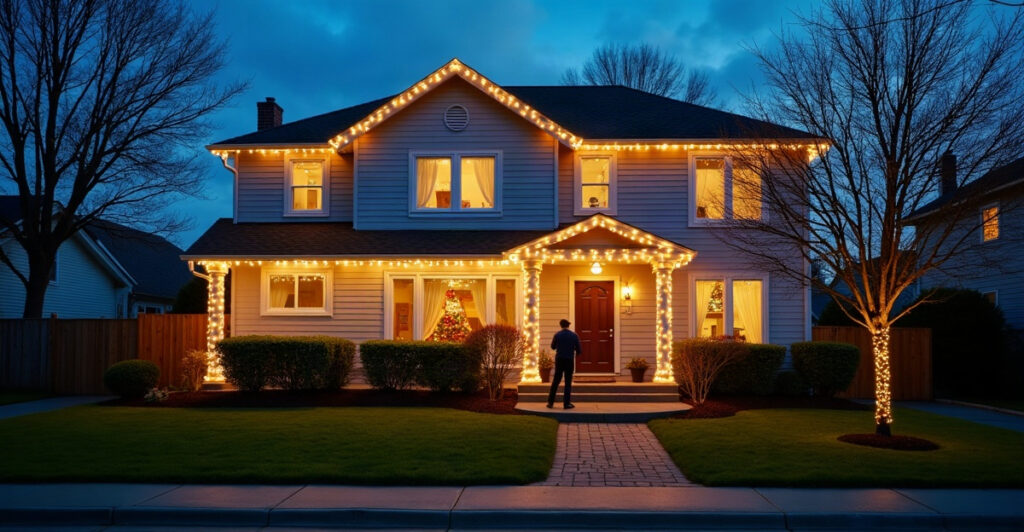
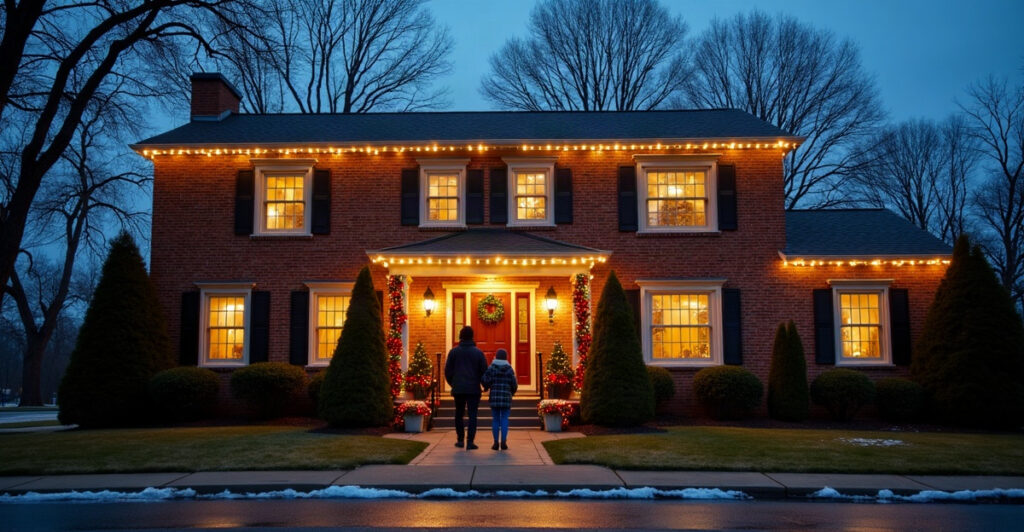
Permanent outdoor lighting can be a practical investment for properties that use outdoor spaces throughout the year. Carefully installed channels, fixtures, and wiring create a cleaner daytime appearance than temporary cords and seasonal mounting hardware. They also reduce repeated setup, removal, storage, and ladder use.
App-based controls can make daily operation simple. Depending on the system, we can create zones, dim areas, schedule activation, and select scenes for normal evenings, celebrations, holidays, or special events. Our permanent outdoor lighting service focuses on discreet installation, dependable operation, and controls that fit the property’s routines.
Signs a Permanent System May Fit
A permanent system is often worth considering when:
- The backyard, patio, or exterior is used frequently throughout the year.
- Everyday ambiance and holiday or event lighting are both important.
- Seasonal setup has become inconvenient or unsafe.
- Low-visibility daytime installation matters.
- Easy scheduling, zoning, and phone control add value.
- A larger property would be difficult to manage with temporary fixtures.
Permanent lighting is not automatically the right choice. Upfront cost, installer experience, product quality, warranty terms, service support, and property-specific design all deserve careful review. A professional assessment should consider mounting surfaces, power access, weather exposure, layout, and applicable electrical considerations before work begins.
Plan Installation, Electrical Work, and Ongoing Use Responsibly
Hardwired systems, permanent roofline lighting, new circuits, and projects near water should be evaluated and completed by qualified professionals in accordance with manufacturer requirements and applicable local electrical codes. Weather ratings, mounting surfaces, wire management, and safe electrical access affect performance, appearance, and service life.
The best outdoor lights for a backyard depend on how the space is used. A warm patio may need dimmable ambient fixtures, while stairs need low-level task lighting and side yards may need motion-controlled visibility. Bright outdoor lights for backyard access areas can be appropriate, but broad, high-output lighting rarely improves every zone.
Warmth without sacrificing darkness comes from layers. Use lower-output ambient fixtures for seating, then add focused lighting at steps, paths, gates, and activity areas. Lower Kelvin light generally suits patios and relaxing backyard spaces, while the right brightness depends on placement and purpose.
Solar lights can be worthwhile for simple path marking, especially where outlets are unavailable. Landscape lighting usually serves paths, gardens, trees, and features. Permanent outdoor lighting typically provides installed, year-round architectural or roofline illumination with more advanced control options. Permanent fixtures can remain subtle during the day when installed carefully, and many systems offer phone-based control.
Professional installation is especially important for permanent, hardwired, wet-location, and new-circuit work. To reduce glare and light spill, use shields, aim fixtures downward, avoid overpowered bulbs, and schedule lights to turn off when they are no longer needed. For gates, side yards, and access points, consider focused security lighting installation rather than relying on broad floodlighting.
Results vary by property layout, product quality, local conditions, use patterns, and installation quality. We can help evaluate these factors through a professional backyard lighting consultation and recommend a durable, discreet system that matches the property layout, outdoor habits, and preferred level of control.