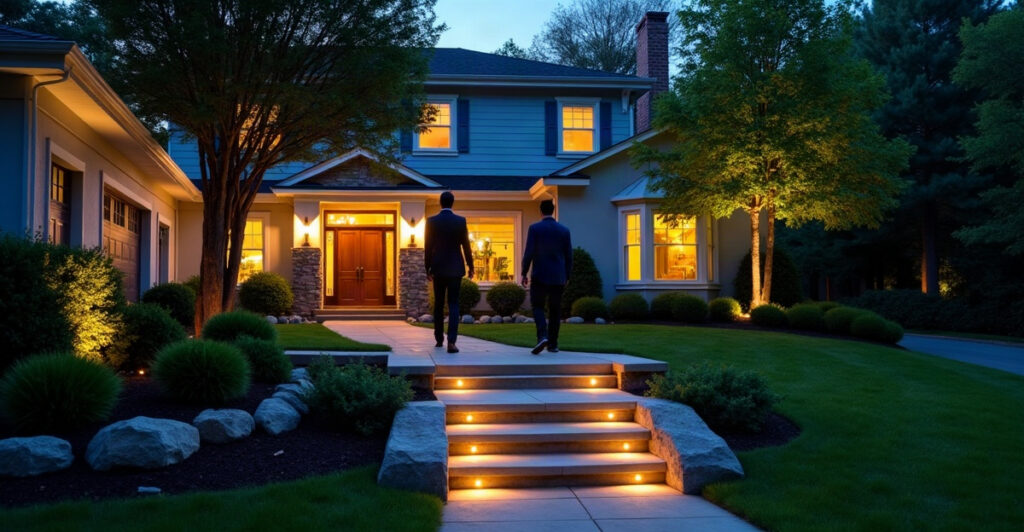
What Do Christmas Light Designers Do for Your Holiday Display?
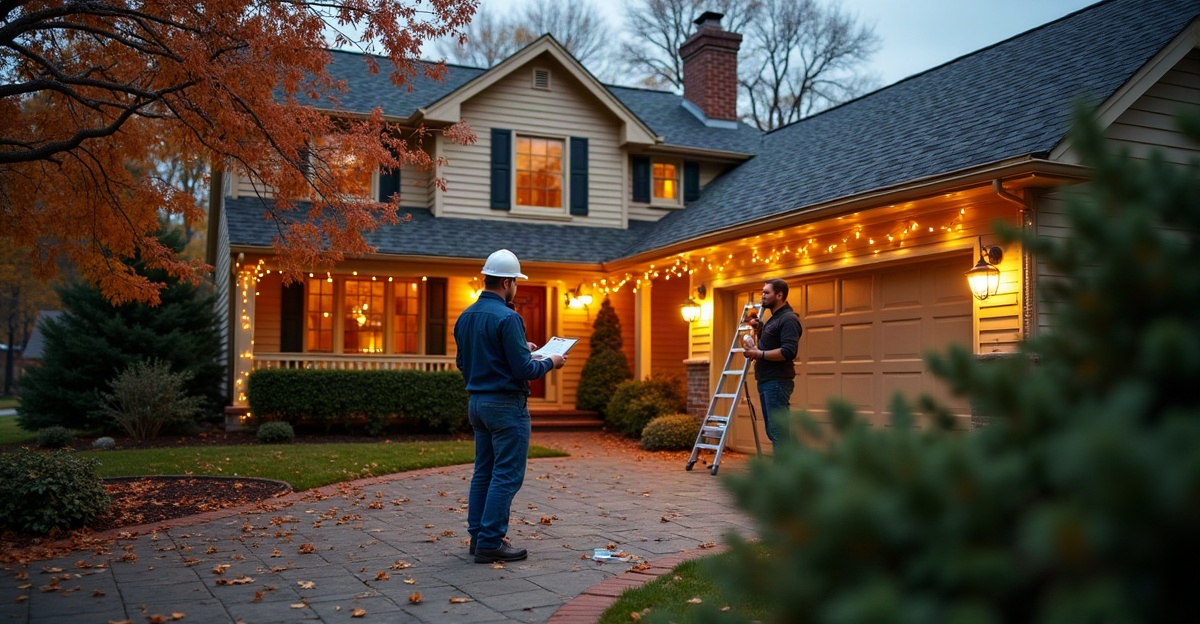
Christmas light designers create property-specific holiday displays by assessing architecture, landscaping, power access, and viewing areas before selecting lighting, décor, controls, and installation methods. We also coordinate safe installation, quality checks, and, based on the service agreement, in-season maintenance, removal, and storage.
Key Takeaways
- A professional design starts with a consultation, measurements, and a custom-fit layout that reflects the property’s style, coverage goals, budget, and access conditions.
- Designers use rooflines, trees, entryways, pathways, façades, and storefronts as purposeful focal points. This approach creates balanced, coordinated displays.
- Installation planning covers wiring routes, attachment surfaces, electrical connections, ladder or lift access, weather exposure, and control options.
- Professional holiday lighting costs vary by property size, architectural detail, selected products, landscape coverage, service needs, and installation difficulty.
- Seasonal displays provide temporary holiday décor. Permanent outdoor lighting supports programmable holiday colors and year-round exterior accent lighting.
How Christmas Light Designers Plan a Custom Display
Christmas light designers do more than decide where lights should go. They develop a plan that fits the shape, style, and practical needs of the property.
A designer may start by reviewing the roofline, windows, doors, landscaping, pathways, and other visible features. They also consider where people will see the display. A home viewed mainly from the street may need a different layout from a commercial property with several entrances.
Professional Christmas light installation can combine design and installation into one coordinated process. This helps keep the finished display consistent instead of adding decorations without a clear plan.
Reviewing the Property
The first step usually involves looking at the property’s size and layout. Measurements help determine how much lighting and décor may be needed.
Designers may review:
- Rooflines and peaks
- Windows and entryways
- Columns and railings
- Trees and shrubs
- Walkways and driveways
- Fences and gates
- Commercial signs and storefronts
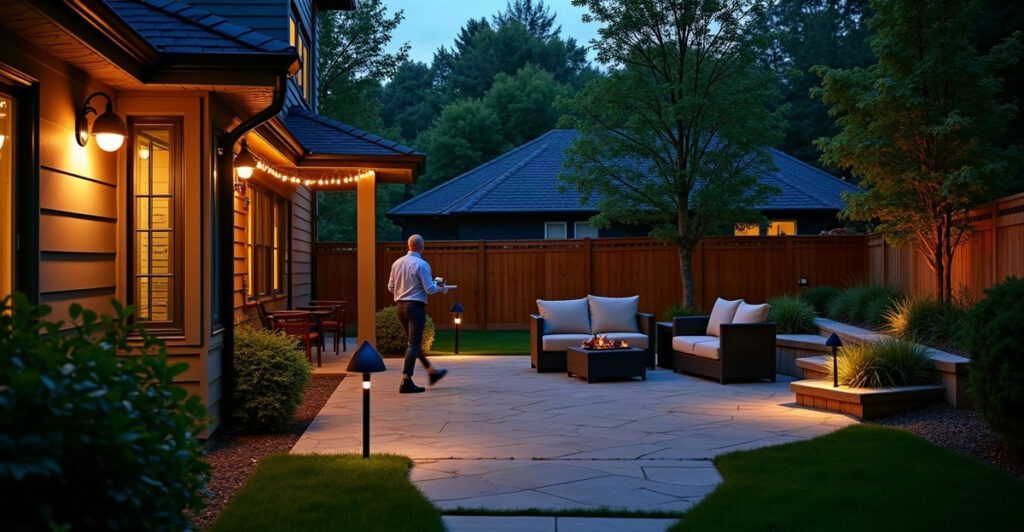
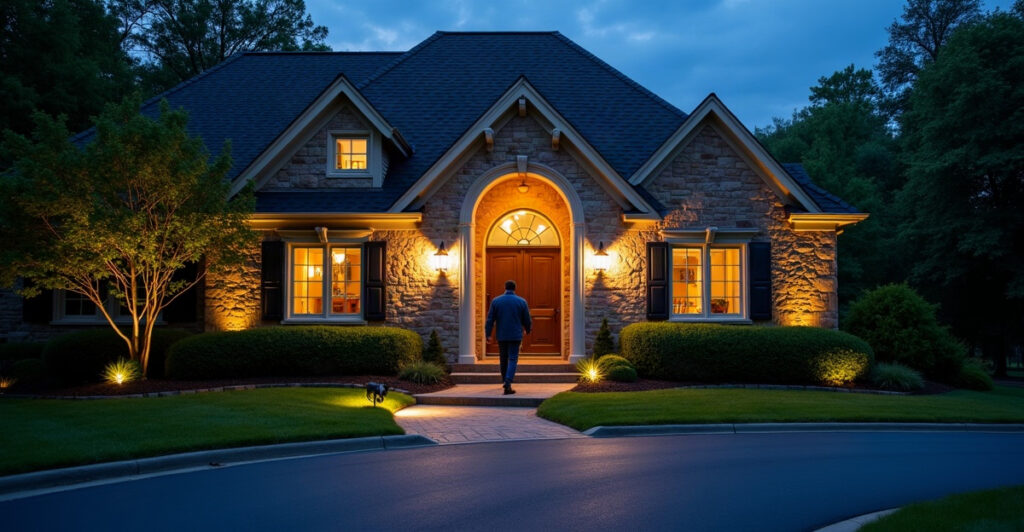
Existing exterior lighting may also affect the design. Landscape and accent lighting can highlight trees, architecture, gardens, and pathways throughout the year. Holiday lighting can then complement those existing features instead of competing with them.
Choosing a Holiday Lighting Style
Christmas displays can range from simple warm white rooflines to colorful, highly detailed designs.
A designer can help keep the colors, spacing, brightness, and décor consistent across the property. For example, one home may look best with clean roofline lighting and a few decorated trees. Another may benefit from lights around columns, windows, pathways, and landscaping.
The goal is not always to use more lights. Good design uses the right amount of lighting in the right places.
What Areas Can Christmas Light Designers Decorate?
Christmas light designers can work with many exterior areas. The exact design depends on the structure, visibility, landscaping, and installation access.
Rooflines and Architectural Features
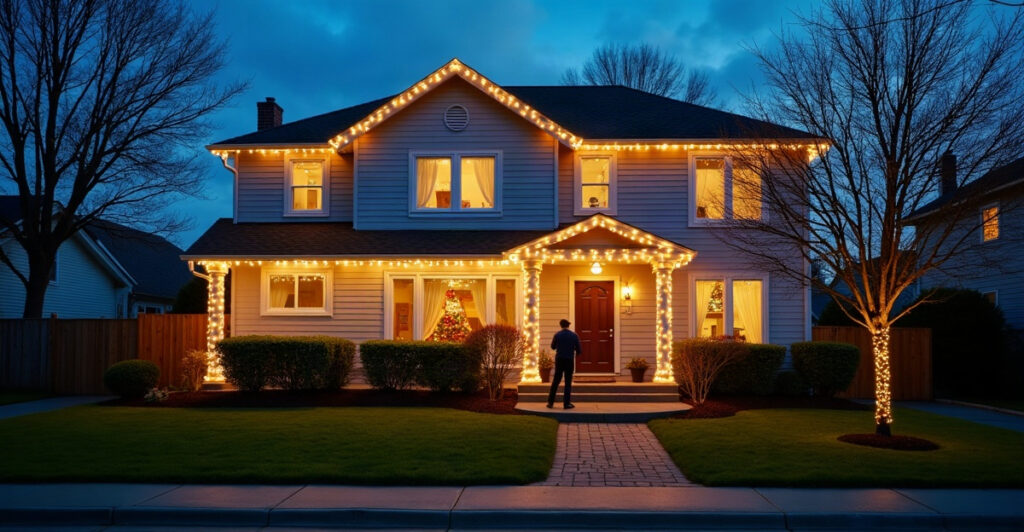
Rooflines are often one of the most visible parts of a holiday display. Designers can follow peaks, eaves, gutters, dormers, and other architectural lines to create a clean outline.
For homes, existing residential lighting installation can also be considered when planning how seasonal lighting will fit into the overall exterior design.
Trees, Shrubs, and Landscaping
Trees can become strong focal points during the holidays. Depending on their size and shape, lighting may wrap around trunks, extend into branches, or cover smaller shrubs.
Designers consider the spacing between landscape elements so one section does not appear overly bright while another looks empty.
Entryways, Walkways, and Gathering Areas
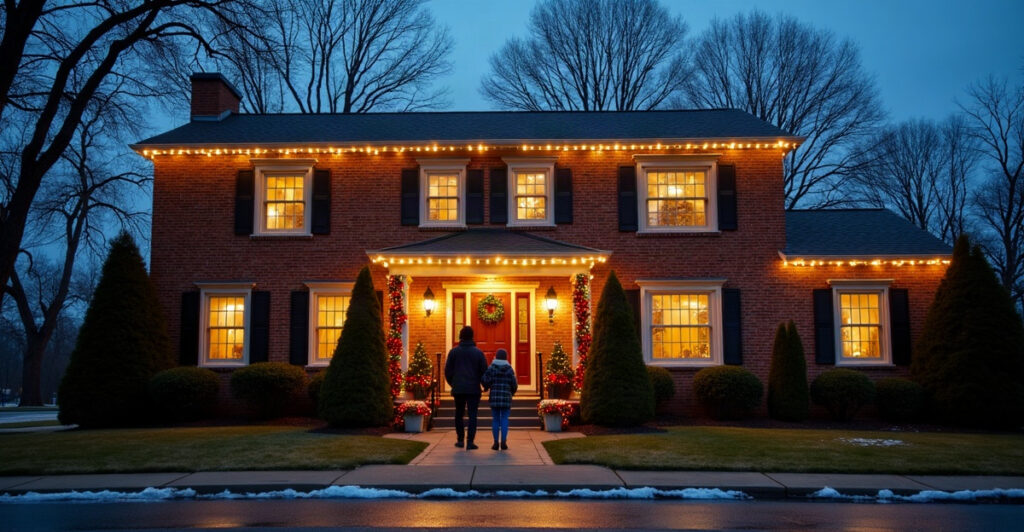
Entryways can help welcome guests and create a clear visual focus. Lighting may frame doors, columns, railings, or nearby landscaping.
Pathways can also be included as part of the design. However, fixtures and wiring need careful placement to avoid creating unnecessary obstacles.
Commercial Buildings and Storefronts
Holiday displays can help businesses create a seasonal appearance for customers, employees, and visitors.
A commercial lighting installation may involve larger façades, multiple entrances, signs, parking areas, or other high-visibility features. Designers must account for customer access, operating hours, installation equipment, and the scale of the property.
How Designers Plan the Installation
A good holiday display must look attractive during the day and at night. It also needs an installation plan that works with the property.
Christmas light designers consider attachment points, wiring routes, electrical access, weather exposure, and the equipment needed to reach higher areas.
Planning Electrical Connections
Designers determine where lighting will receive power and how different sections connect.
This may include checking available outlets, separating sections into manageable zones, and planning control points. Modern smart lighting automation can also make it easier to manage schedules and lighting settings.
Timers or automated controls can help lights turn on and off at planned times without requiring someone to control the display manually each evening.
Creating Clean Wiring Routes
Visible cords can distract from an otherwise polished display. Designers plan routes that keep wiring organized while avoiding common walkways and heavily used areas.
Professional planning also reduces the need for last-minute extension cords running across the property.
LED technology is commonly useful for exterior lighting because of its efficiency and long operating life. Property owners updating older lighting systems can also consider LED retrofit upgrades for other areas of the property.
Temporary Christmas Lights vs Permanent Holiday Lighting
Property owners do not have to use the same lighting approach every year.
Traditional seasonal displays are installed before the holidays and removed afterward. They work well for people who want a different design from one season to another.
Permanent holiday lighting takes another approach. The lighting remains installed on the property and can support different colors or patterns for holidays and special occasions.
Meanwhile, permanent outdoor lighting can serve broader year-round purposes. A permanent system can support holiday displays while also providing exterior accent lighting during other parts of the year.
The best option depends on how often you want decorative lighting, the style you prefer, and whether you want seasonal installation and removal.
Why Work With Professional Christmas Light Designers?
Designing a polished holiday display can require more planning than it first appears. Measurements, product selection, electrical access, installation height, weather conditions, and visual balance all affect the finished result.
Professional Christmas light designers bring those details together into one plan. This can be especially helpful for larger homes, detailed rooflines, tall trees, commercial buildings, and properties with several areas to decorate.
Working with Bosso Smart Lighting can also give property owners access to several lighting options beyond seasonal Christmas displays. That makes it easier to consider how holiday lighting will work with the property’s wider exterior lighting plan.
When planning your display, think about which parts of the property matter most. A focused design around rooflines, entrances, trees, and other key features can often create more impact than simply adding lights everywhere.
For help planning your holiday display, contact us to discuss your property, lighting goals, and available options.
Frequently Asked Questions About Christmas Light Designers
What does a Christmas light designer do?
A Christmas light designer plans how holiday lighting and décor will fit a specific property. This can include measuring rooflines, selecting focal points, planning colors, choosing products, reviewing electrical access, and determining suitable installation methods.
Do Christmas light designers install the lights too?
Many professional holiday lighting services combine design and installation. Depending on the service agreement, the company may also handle maintenance during the season, removal after the holidays, and storage.
How do designers decide where Christmas lights should go?
Designers look at the property’s architecture, landscaping, viewing angles, entrances, rooflines, trees, pathways, and other visible features. They select areas that create a balanced display without making the property look overcrowded.
Can Christmas light designers work on commercial properties?
Yes. Christmas light designers can plan displays for homes and commercial properties. Commercial projects may include storefronts, office buildings, restaurants, entrances, signs, landscaping, and other customer-facing areas.
Are permanent Christmas lights better than seasonal lights?
Neither option is automatically better. Seasonal lighting works well when you want a temporary display that can change each year. Permanent lighting can be a better fit when you want convenient programmable lighting for Christmas, other holidays, events, and year-round exterior use.