Christmas Light Controller: Features to Look for in a Smart Lighting System
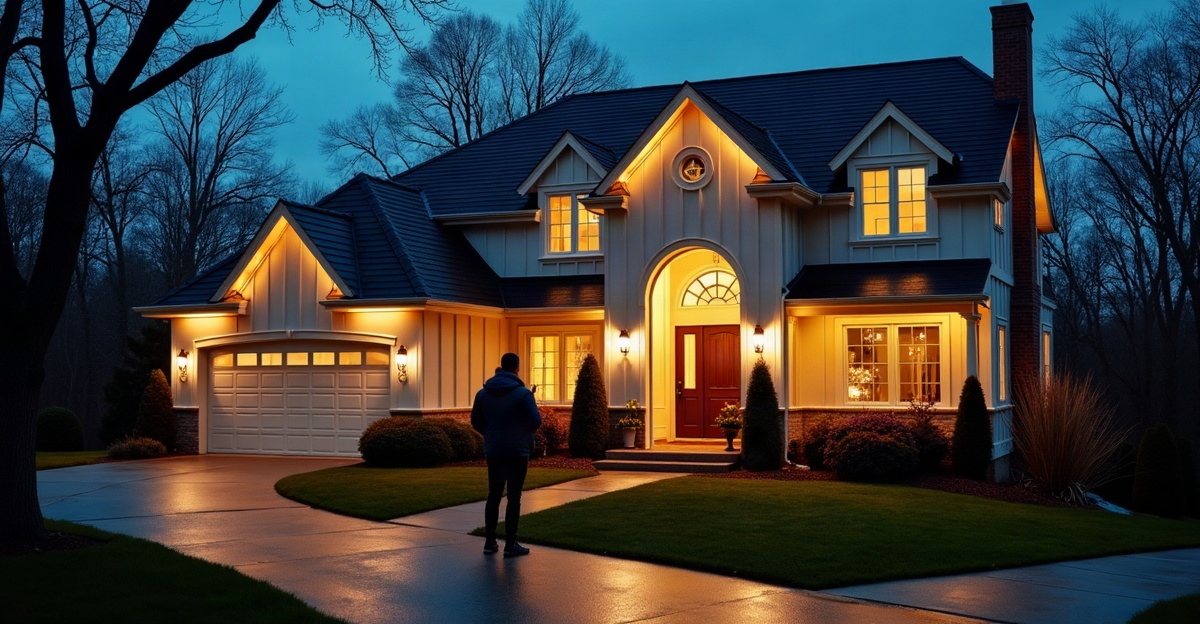
A Christmas light controller should give us simple app control, editable schedules, saved scenes, and independent zones. This flexibility lets permanent outdoor lighting support holiday displays and everyday architectural accents with equal ease. We should select a system with dependable connectivity, weather-protected components, professional installation, strong color and brightness performance, and long-term service support.
Key Takeaways
- App-based controls, saved scenes, and flexible scheduling help us update lighting quickly and maintain consistent displays throughout the year.
- Zone control lets rooflines, entryways, patios, and other areas operate independently, creating a cleaner, more polished design.
- We should confirm the system’s color range, white-light quality, brightness adjustment, and available effects before choosing a controller.
- We should address Wi-Fi strength, controller placement, power planning, weather protection, and accessible service locations during installation.
- We should compare total system value—including equipment, installation quality, daytime appearance, support, and future service—rather than focusing solely on upfront cost.
What a Smart Christmas Light Controller Actually Controls
A Christmas light controller is the hardware and software system that manages permanent outdoor lighting across a property. It controls colors, brightness, schedules, effects, saved scenes, and separate lighting areas, depending on the system configuration.
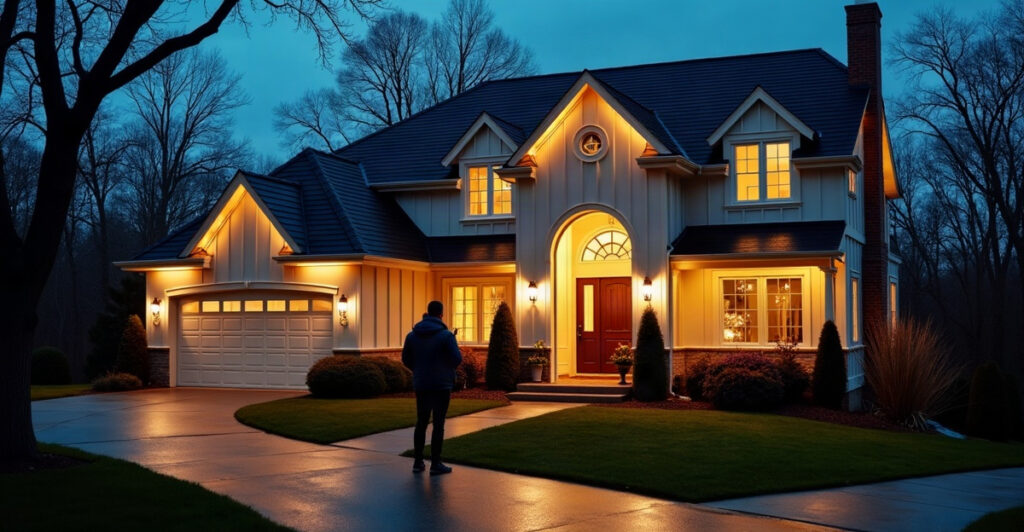
A smart Christmas light controller supports far more than December displays. We can use it for holiday colors, birthdays, game days, business promotions, security-oriented illumination, and subtle architectural lighting throughout the year. This flexibility is a key advantage of professionally installed permanent holiday lighting.
The right controller should make everyday operation simple while supporting the level of visual control a property needs. We recommend evaluating app usability, scheduling, zones, color options, connectivity, weather protection, controller placement, daytime appearance, installation compatibility, and long-term value.
Traditional seasonal lights often require setup, removal, storage, maintenance, and repeated ladder work. Permanent lighting can reduce those seasonal tasks while keeping the exterior clean and ready for changing occasions. A well-planned system also gives us the ability to adjust a display without reinstalling strands or rearranging equipment.
Before selecting a system, it helps to understand how to choose smart lighting based on the property layout and intended use. The controller matters, but it must work with quality lighting, proper power planning, and professional installation.
App Control, Scheduling, and Saved Scenes That Simplify Everyday Use
App control should make common lighting changes quick and clear. We should be able to turn lights on or off, select colors, adjust brightness, choose supported effects, and activate saved settings without working through a complicated interface.
Scenes, sometimes called presets, are saved combinations of colors, brightness levels, zones, and effects. A scene might set a roofline to red and green for Christmas, use warm white at the entryway for daily lighting, or create team-color lighting for game day. Once saved, the scene can be activated quickly rather than rebuilt each time.
Saved scenes make permanent lighting practical after the holiday season. A homeowner can move from a Christmas presentation to understated accent lighting in seconds. A business can shift from routine exterior lighting to a promotional or holiday display without disrupting normal operations. For ideas that pair lighting settings with seasonal décor, explore smart holiday displays.
Scheduling allows the system to turn on, change, or turn off at selected times and dates. Consistent schedules reduce manual adjustments and help keep a property looking intentional every evening. We recommend confirming that schedules can be edited easily as seasons, daylight hours, and events change.
App features vary by manufacturer, controller placement, software support, installer configuration, system design, and connection environment. We should verify whether the platform allows scene creation and saving, which controls remain available during connection interruptions, and what update or support options are available. A capable smart lighting automation setup should support the routines that matter most without adding unnecessary complexity.
Zones, Color Control, and Effects for a More Refined Lighting Design
Zones are separate sections of a lighting system that can be controlled independently. Common zones include rooflines, patios, entryways, storefronts, walkways, and individual sides of a building.
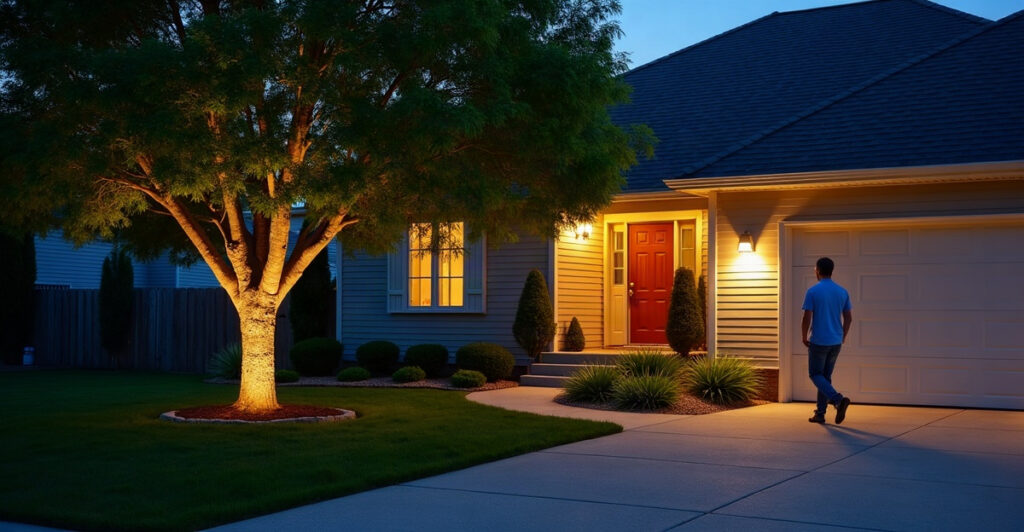
Independent zone control creates a more intentional design. We may use warm-white lighting at an entryway while displaying holiday colors along the roofline. A property manager may highlight a storefront or walkway without placing the entire building in the same color. This separation gives each area a purpose instead of creating one uniform display.
RGB and RGBW refer to color-capable LED technology. RGB lights blend red, green, and blue to create a range of colors. RGBW systems include a dedicated white LED, which may improve white-light performance depending on the product. Before choosing an LED light controller, we should confirm the available color range, white-light quality, brightness settings, and supported effects.
Programmable holiday lights can offer animated patterns, fades, color transitions, and static displays. Effects should support the property’s design rather than overpower it. A quality system should allow festive lighting when appropriate and refined architectural lighting for everyday use when the installed system supports those functions.
Visual quality deserves close attention. At night, evaluate color consistency, brightness control, effect adjustment, and architectural fit. Color planning also helps create a coordinated result, especially when using Christmas light color combinations or choosing holiday light colors for a specific theme.
Connectivity, Reliability, and Installation Details That Affect Performance
Connectivity is the way the controller communicates with the app, network, or other system components. Connection quality can affect app responsiveness and access to certain features, so we should address weak Wi-Fi before installation.
We recommend asking how the system behaves if Wi-Fi is weak or temporarily unavailable. Confirm which functions remain available, whether previously scheduled events continue, and where the installer recommends placing the controller. A convenient controller location supports access for service without compromising the appearance of the property.
Permanent lighting performance also depends on installation decisions. Important factors include weather-protected controller and power components, electrical capacity, protected wiring, clean cable routing, accessible equipment placement, and zoning that reflects the property layout and expected lighting uses.
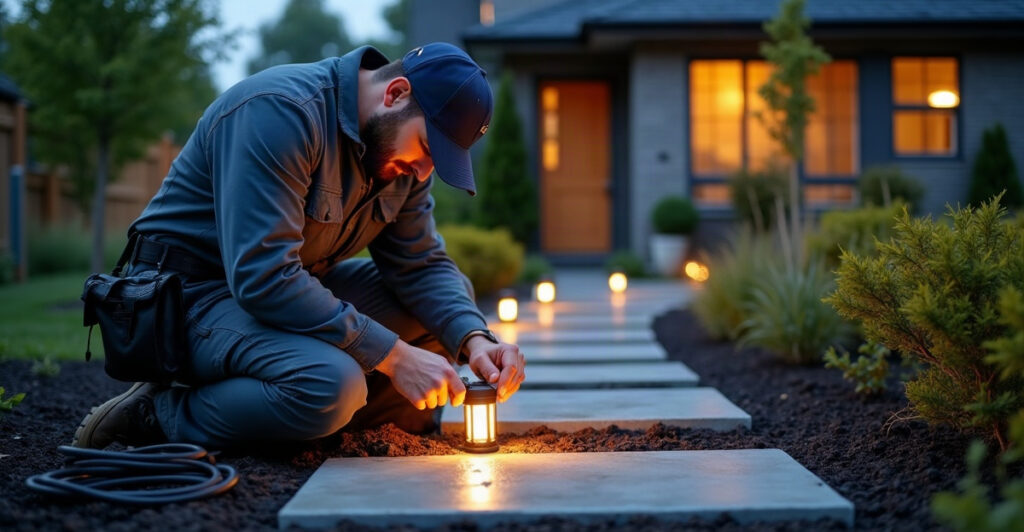
Professional configuration helps align wiring, power planning, controller access, and lighting layout with the desired control experience. Weather performance, app reliability, maintenance requirements, and longevity depend on the specific products, installation design, property conditions, and available service support. We should assess the complete installation, including how discreetly lights, wiring, and components blend into the exterior during the day.
A properly planned permanent outdoor lighting installation should look integrated with the property at all times, not simply deliver a bright display after dark.
How to Compare Long-Term Value and Total System Investment
We should compare permanent lighting systems based on everyday usability and year-round value, not holiday features alone. A professionally installed system may reduce seasonal setup, removal, storage, and ladder use while providing flexible lighting for events and exterior accents throughout the year.
Total investment varies with the size and layout of the property. Roofline complexity, lighting zones, controller capabilities, electrical requirements, cable routing, access conditions, installation difficulty, and service options can all affect the final scope.
The lowest upfront price does not always represent the strongest long-term choice. We recommend comparing the complete system: the controller, lights, power components, installation quality, app experience, daytime appearance, technical support, and future service options. Properties that prioritize curb appeal, clean installation, safety, dependable operation, and lasting flexibility benefit from this broader review.
For homeowners who prefer professional setup rather than seasonal ladder work, Christmas light installation can also help establish a well-organized lighting plan for the season.
Questions to Ask Before Choosing a Smart Christmas Light Controller
Before approving a system, we should ask the installer clear questions about control, installation, and support:
- Can we create and save custom scenes?
- Can separate sections of the property be controlled independently?
- How does scheduling work, and can schedules be changed easily?
- What happens if Wi-Fi is weak or temporarily unavailable?
- Where will the controller and power components be installed?
- What software updates, technical support, and service options are available?
- Can the system provide refined everyday lighting as well as holiday colors and effects?
- How visible will the lights, wiring, and equipment be during the day?
- What color range, white-light quality, brightness control, and effects does the LED light controller support?
A qualified permanent-lighting installer should review the roofline, property layout, desired zones, lighting goals, control preferences, and electrical needs before recommending a system. This assessment helps ensure the system supports the way we plan to use it, rather than limiting future options.
Common Questions About Smart Permanent Lighting Controls
What does a Christmas light controller do?
A Christmas light controller manages functions such as colors, brightness, schedules, scenes, effects, and separate lighting zones, depending on the installed system.
Can permanent Christmas lights be controlled from a phone?
Many systems offer app-based control. Available features and reliability depend on the controller, software, connectivity, and installation configuration.
Can different parts of a house be controlled separately?
Yes, if the system includes zones. Rooflines, patios, entryways, building sides, and other designated areas can operate independently when planned during installation.
Are programmable holiday lights useful after Christmas?
They can support other holidays, family events, game days, business promotions, security-oriented lighting, and understated architectural accents. For additional inspiration, review Christmas smart lighting ideas and the benefits of smart outdoor lighting.
Does a smart lighting controller need Wi-Fi?
Connectivity requirements vary by system. We should ask how the controller communicates, how temporary connection loss affects operation, and which features remain available without Wi-Fi.
What should we ask an installer about an LED light controller?
Ask about scene creation, scheduling, zones, controller placement, power planning, weather protection, software support, daytime appearance, and service options. These details determine whether the lighting system will remain easy to use and well suited to the property over time.