LED vs Traditional Christmas Lights Cost and Benefits
Choosing between LED and traditional Christmas lights involves more than purchase price. Electricity use, replacement frequency, annual labor, and storage all shape the long-term cost. Incandescent lights offer an affordable, classic seasonal look. LED and permanent LED systems use less energy, run cooler, last longer, and add convenience for regular use.
Key Takeaways
- Incandescent strings usually cost less upfront, but they use more electricity and often require more frequent bulb and string replacements.
- Seasonal LED lights lower energy use and heat output, but they still need yearly installation, removal, inspection, and storage.
- Permanent LED lighting carries a higher initial cost due to professional installation, but it reduces annual roofline work and supports lighting throughout the year.
- Total cost of ownership should include electricity, replacements, installation labor, maintenance, storage, and the time needed to manage seasonal displays.
- Product quality, weather-rated components, correct installation, and dependable controls drive the long-term performance and safety of any outdoor lighting system.
The Quick Comparison: What We Get With LED and Incandescent Lights
LED lights generally cost more upfront, but they use substantially less electricity, operate cooler, and often last longer than incandescent lights. The best option depends on how often lights are used, the preferred appearance, the available budget, and whether the goal is a seasonal display or a permanent setup.
The LED vs. traditional Christmas lights decision involves more than bulb type. Traditional incandescent strings remain an affordable, familiar option for short seasonal displays. Seasonal LED strings reduce power use and heat while still requiring annual installation, removal, storage, and eventual replacement. Permanent professionally installed LED outdoor lighting stays in place year-round and supports holidays, events, accent lighting, and everyday use.
| Factor | Traditional Incandescent Lights | Seasonal LED Lights | Permanent LED Lighting |
|---|---|---|---|
| Upfront purchase cost | Usually the lowest initial cost | Often higher than incandescent strings | Higher initial investment due to materials and professional installation |
| Electricity use and operating cost | Higher power consumption | Lower power consumption | Lower power consumption with programmable scheduling |
| Expected lifespan | More frequent bulb and string replacement | Generally longer-lasting, depending on quality and use | Long-term installed system, subject to component quality and service needs |
| Heat and safety | Produces more heat | Runs cooler | Runs cooler with professionally installed connections and controls |
| Brightness and colors | Classic warm glow and limited effects | Wide color and brightness choices | Programmable colors, scenes, schedules, and effects |
| Maintenance | Frequent bulb checks and replacement needs | Less frequent replacement, but requires inspections | Periodic inspection and occasional professional service |
| Weather exposure | Depends on product rating and seasonal installation quality | Depends on product rating, wiring, and connections | Uses weather-rated components installed for exterior conditions |
| Seasonal work | Install, remove, and store every year | Install, remove, and store every year | Remains installed, reducing annual roofline work |
| Best use case | Short-term, budget-conscious, traditional displays | Flexible seasonal decorating with lower energy use | Frequent use, convenience, consistent appearance, and multi-season lighting |
For fresh seasonal concepts, our outdoor holiday lighting ideas can help shape a display that fits the property instead of relying on a one-size-fits-all layout.
Upfront Price Is Only Part of the Cost
Incandescent strings can be the lowest-cost option at purchase. That price advantage can narrow over several seasons as electricity use, replacement strings, storage damage, and annual labor add up. LED Christmas lights vs. traditional lights should therefore be evaluated by total ownership cost, not the shelf price alone.
We calculate operating cost with this formula:
Operating cost = watts used ÷ 1,000 × hours used × local electricity rate.
Actual savings vary with the number of lights, wattage, nightly operating schedule, electricity rate, and season length. A small display used for a few evenings will have a different cost profile than a full roofline display operating nightly for weeks. Our guide to holiday lighting costs helps place those factors in a practical budget discussion.
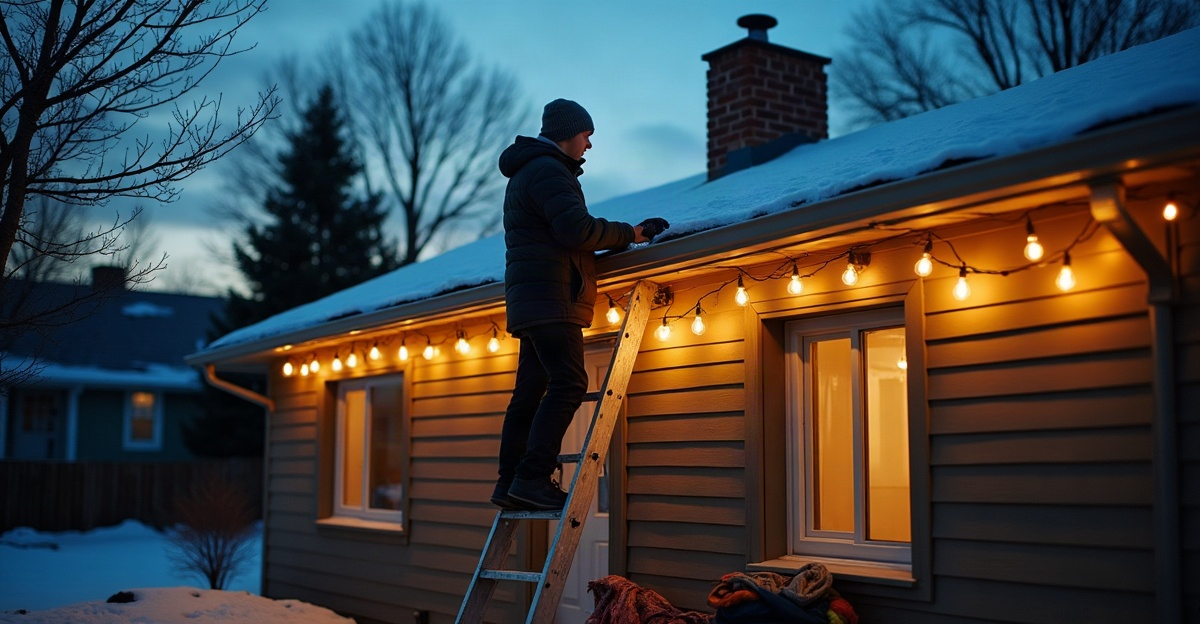
Ownership costs also include seasonal installation or professional labor, replacement bulbs and strings, repairs, storage containers, and time spent managing the display. Roofline access can require ladders, extension-cord planning, secure attachment methods, and weather-aware scheduling. Removal creates another round of labor, while storage can damage wiring, bulbs, clips, and controllers before the next season begins.
For homeowners who prefer a professionally handled seasonal display, our Christmas light installation service can reduce the work involved with annual setup and takedown. Before booking service, review realistic Christmas installation costs based on display size, roofline access, and design scope.
Lifespan, Maintenance, Weather Exposure, and Safety
LEDs generally last longer than incandescent bulbs, but no lighting system is immune to failure. Product quality, weather exposure, wiring condition, connections, controllers, surge protection, and installation quality all affect real-world longevity. Color consistency, weather resistance, warranty terms, and expected service life can vary widely between products and installation methods.
Traditional incandescent Christmas lights vs. LED systems differ most clearly in replacement needs. Incandescent bulbs and strings generally require more frequent attention. LED systems may reduce replacements, but they still need inspections and occasional service. A permanent system is not maintenance-free; it depends on weather-rated materials, correctly installed components, reliable controls, and clear warranty coverage.
LEDs generally run cooler and use less power, which can reduce heat-related concerns. Every outdoor lighting system still needs proper care. We recommend following manufacturer instructions, using properly rated outlets or electrical systems, inspecting damaged wiring and loose connections, and addressing moisture exposure before operating a display.
Roofline projects and hardwired systems deserve professional installation. That approach helps protect the property, supports cleaner cable management, and reduces avoidable ladder work. Our holiday lighting safety tips cover practical checks that should happen before a display is switched on.
The Look of Your Display: Warm Glow, Color Choice, and Daytime Appearance
Appearance is personal. Incandescent lights can create a nostalgic, warmer-looking glow that many homeowners still prefer. Traditional lights are not an inferior choice if that classic appearance, a temporary layout, and a lower initial cost are the priorities.
LED options provide wider color selections, adjustable brightness, animated effects, and programmable displays. Quality matters. Lower-grade LED products can produce uneven color, inconsistent brightness, or less attractive output than expected. We recommend comparing an illuminated sample and asking how the product looks from the street before selecting a system.
Seasonal strings offer the freedom to change colors, layouts, and decorations each year. Our smart Christmas decorations guide offers ideas for combining lighting with coordinated seasonal features, while our Christmas home lighting ideas explore practical smart-lighting approaches.
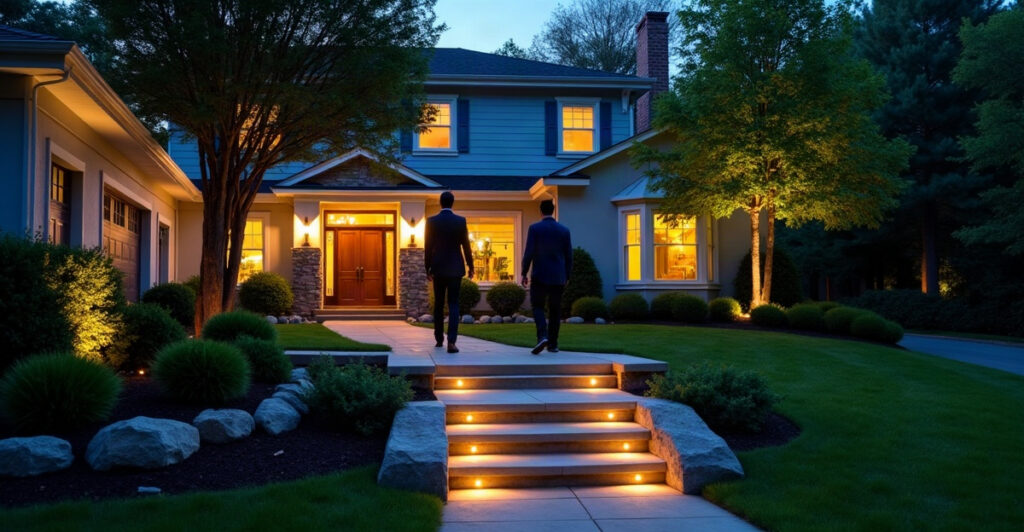
Permanent systems require a different design standard. Professional installation can minimize daytime visibility of tracks, wires, and fixtures along rooflines and architectural features. We encourage property owners to ask what the system will look like in daylight, not only after dark. A well-designed roofline display supports curb appeal and gives homes, commercial sites, and managed portfolios a consistent presentation.
Seasonal LED Lights and Permanent Lighting Are Different Choices
LED describes the bulb technology. Permanent lighting describes a year-round installed system. The two terms often appear together, but they answer different questions.
Seasonal LED lights are removable strings or fixtures. They offer lower operating costs than incandescent options but still require annual setup, takedown, storage, and replacement over time. Permanent LED lighting remains installed along rooflines or architectural elements and can serve much more than Christmas.
A professional permanent outdoor lighting system can provide consistent roofline lighting without the recurring task of placing and removing strings every year. App-based controls can support schedules, colors, scenes, holidays, game days, celebrations, and architectural accent lighting. Our smart lighting automation options help make those settings easy to manage.
Permanent lighting should be viewed as a long-term property upgrade rather than Christmas lights left in place. It still depends on quality materials, weather-rated components, proper installation, dependable controls, and warranty support. Our permanent holiday lighting service focuses on that complete system approach.
Which Lighting Option Fits the Property and Priorities?
Traditional or seasonal lights can be the better choice for properties decorated briefly each year, for limited budgets, or for homeowners who enjoy changing their layout annually. They also make sense where DIY installation and storage are comfortable parts of the seasonal routine. Incandescent strings remain a valid option for anyone who strongly prefers their classic warm glow.
Permanent LED lighting may be worth considering for properties that reinstall lights every year, pay for seasonal installation, or avoid decorating because the work feels inconvenient. It can reduce ladder use, create a professional-looking roofline, and provide app-controlled lighting for many occasions beyond Christmas. Commercial properties and multi-property portfolios can also benefit from repeatable displays and reduced seasonal labor.
A Practical Decision Checklist
Before choosing between LED vs. traditional lights, we recommend answering these questions:
- How many weeks each year will outdoor lights operate?
- Will we install lights ourselves, hire help, or skip decorating because of the work?
- Is reducing ladder use important for the property?
- Will lighting be used only for Christmas or for multiple occasions?
- Does a clean daytime appearance matter?
- Are we comparing initial cost alone or several years of ownership, labor, and maintenance?
Permanent LED lighting is not the automatic answer for every property. It can offer stronger long-term value where convenience, safety, repeatable displays, and professional appearance matter most. Readers considering a professionally installed system can request a lighting consultation to discuss roofline design goals, control preferences, and examples of completed installations.