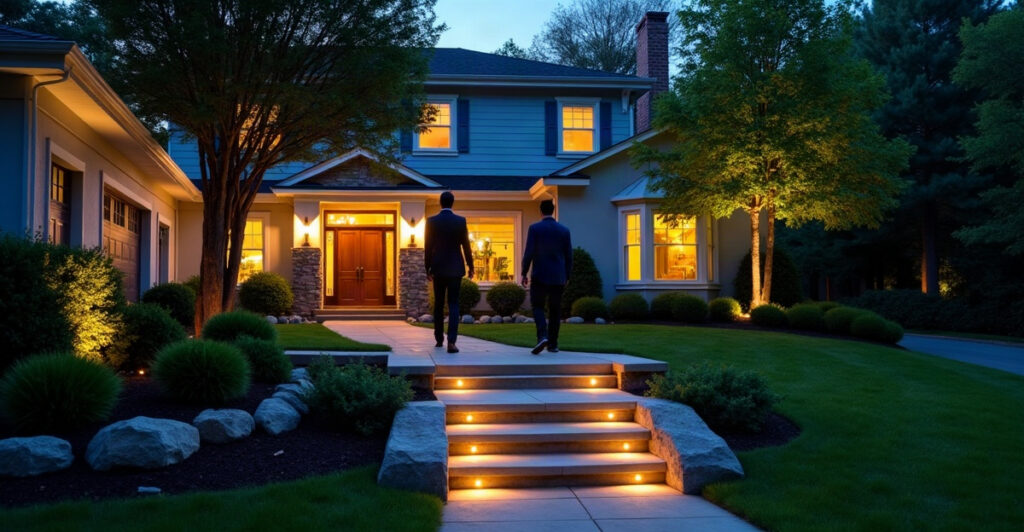
What Are the Benefits of Smart Outdoor Lighting?
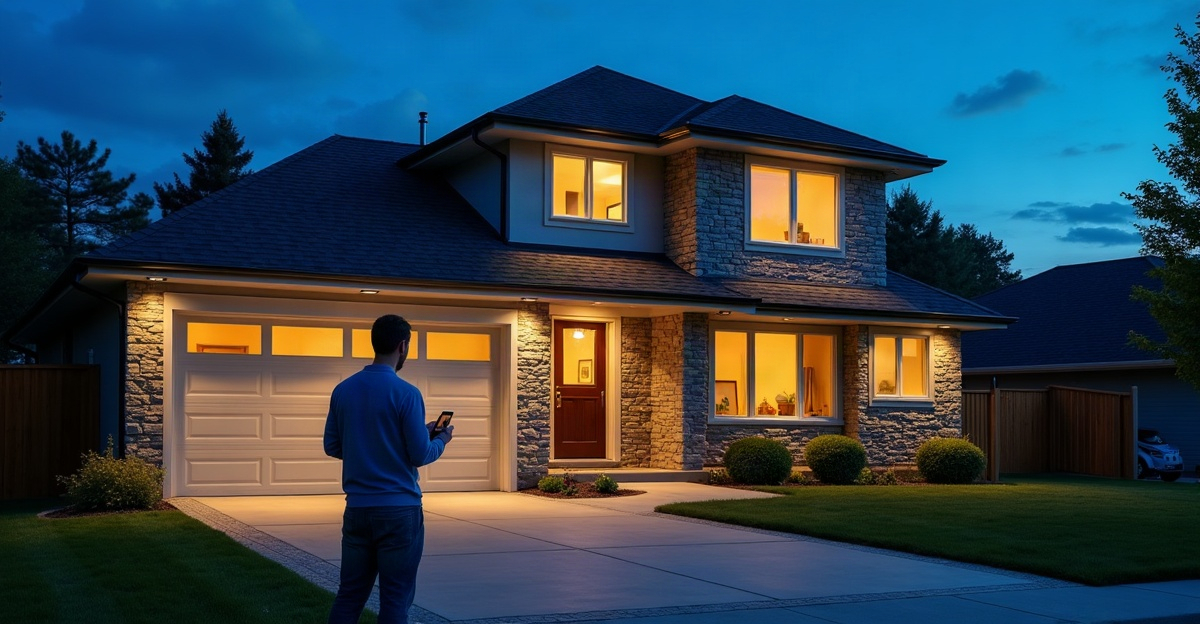
We deliver smart permanent lighting that improves curb appeal, increases visibility around exterior areas, and provides year-round color control through a smartphone app. Professionally planned systems highlight rooflines and architectural details while eliminating the yearly setup, removal, and storage required for temporary holiday lights.
Key Takeaways
- Smart controls can offer color selection, brightness control, schedules, timers, zones, and saved presets, depending on the system.
- Permanent outdoor lighting supports everyday white light, holiday displays, parties, sporting events, and commercial promotions without repeated installation of temporary strands.
- LED systems generally consume less energy than incandescent lights, while schedules reduce unnecessary run time.
- Professional installation provides clean mounting, proper fixture spacing, weather-rated components, organized wiring, and a refined appearance during the day.
- Architectural lighting improves exterior visibility, but it doesn’t replace dedicated security lights, cameras, alarms, or access-control systems.
The Biggest Benefits of Smart Permanent Outdoor Lighting
Smart permanent outdoor lighting gives a property a polished nighttime appearance, simpler seasonal decorating, app-based control, customizable colors, better exterior visibility, LED efficiency, and repeat use throughout the year. Unlike general exterior lighting, this category focuses on architectural features such as rooflines, eaves, soffits, trim, and building outlines.
Permanent systems remove many seasonal frustrations. We avoid climbing ladders each year, untangling cords, replacing failed strands, finding storage space, and repeating installation and removal every holiday season. With permanent outdoor lighting, the lighting stays in place and is ready for everyday use or special occasions.
Smart permanent lighting means the system can support practical controls through a smartphone app. Depending on the product and system design, features may include color selection, brightness adjustment, schedules, timers, zones, and saved presets. Smart lighting automation makes it easier to set the right look without manual adjustments every evening.
Professionally installed outdoor lighting also brings important installation benefits. We plan mounting locations, manage wiring cleanly where applicable, use weather-rated components, consider electrical needs, and support the system after installation. Results depend on the system design, installation quality, usage habits, and the property itself.
Curb Appeal, Visibility, and a More Polished Property After Dark
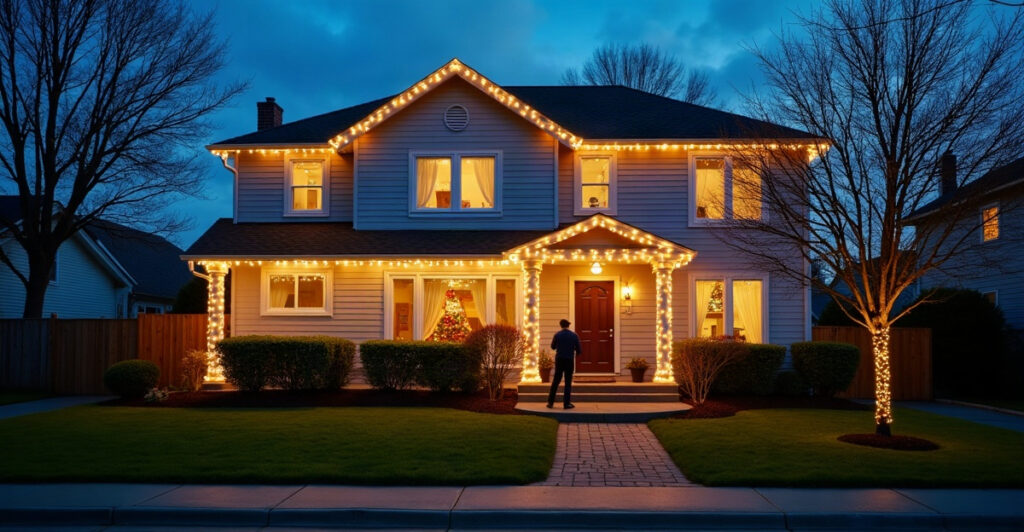
Architectural lighting can give homes and commercial properties a more finished appearance after sunset. Soft white roofline lighting can define the structure without overwhelming it, while custom colors can support holidays, events, and business promotions. For ideas that coordinate the full exterior, explore these front-of-house lighting ideas.
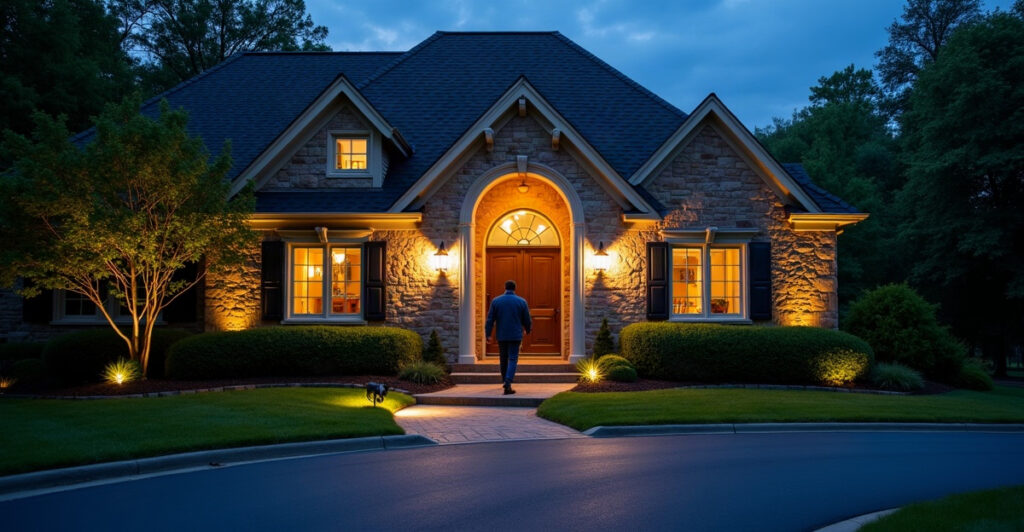
The benefits of outdoor lighting also include improved visibility around entrances, façades, walkways, and exterior gathering areas. A properly planned system makes these spaces easier to see and may help occupants feel more comfortable after dark. Light output, placement, and color selection should suit the property rather than create glare or uneven coverage.
Permanent architectural lighting is not a replacement for a security plan. Dedicated motion lighting, cameras, alarms, and access controls serve different purposes. For areas that require targeted illumination, security lighting installation can provide purpose-built options alongside architectural roofline lighting.
Daytime appearance matters as much as nighttime performance. Permanent outdoor lighting visible during the day may blend closely with eaves, soffits, trim, or rooflines, but fixture visibility varies by architecture, trim color, mounting location, viewing angle, and product design. A clean finished look relies on proper fixture placement, appropriate light output, and skilled installation.
We recommend reviewing completed projects that resemble the home or building style under consideration. Daytime and nighttime photos, close-ups of the mounting work, and examples of white and color modes give a clearer view of the expected result.
Year-Round Uses Beyond Holiday Lighting
Permanent outdoor lights serve far more purposes than holiday displays. They can provide subtle everyday illumination, seasonal colors, event lighting, and quick visual updates without hanging temporary strands. This makes year-round exterior lighting a practical investment for homeowners and commercial property managers.
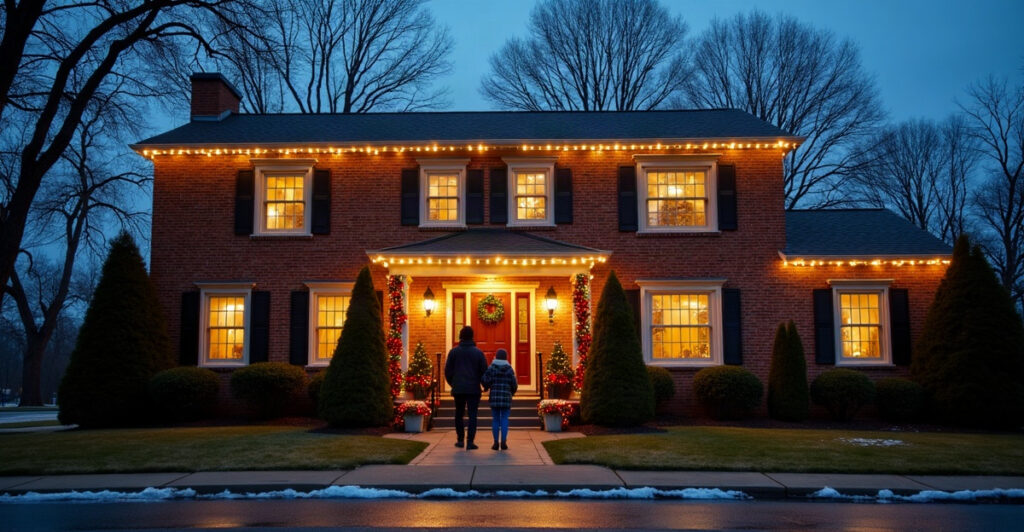
For holiday planning, permanent lights simplify changes between classic white, multicolor, and themed designs. These guides can help shape a display: Christmas light colors, smart Christmas decorations, Christmas home light decor, Christmas light displays, and outdoor holiday lighting ideas.
Smart outdoor lighting for holidays also works well for birthdays, graduation parties, family celebrations, sporting events, and game-day colors. Commercial property lighting can support grand openings, seasonal promotions, community events, and brand-color displays. Zones, schedules, timers, and presets allow a property to move from understated daily lighting to an event display without temporary installation.
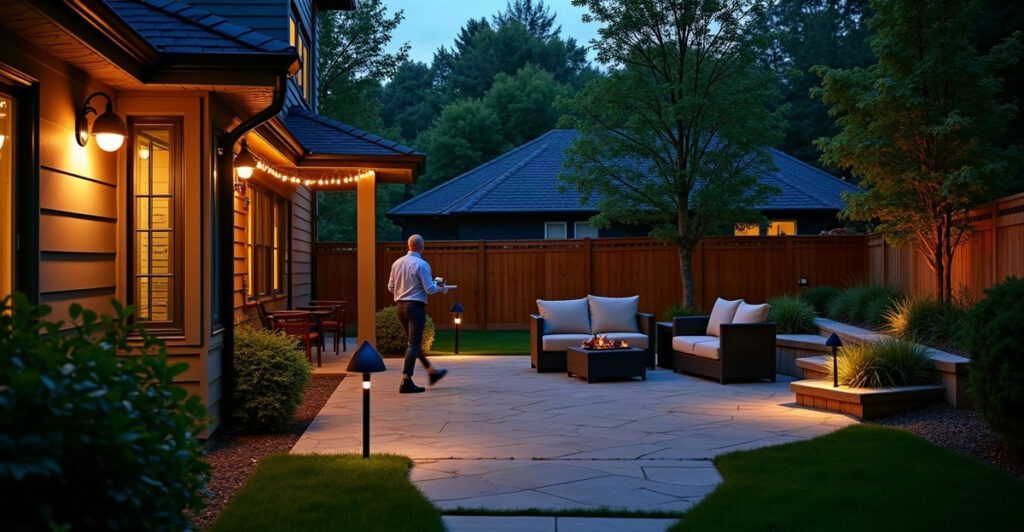
Permanent holiday lights can also complement landscape lighting. Architectural lighting and landscape lighting are not an either-or decision. Architectural systems generally accent rooflines and building outlines, while landscape lighting typically highlights pathways, plants, trees, walls, and ground-level features. Properties with broad outdoor areas may benefit from both. Our landscape accent lighting can extend visibility and visual interest beyond the roofline.
LED Efficiency and Long-Term Value
The benefits of outdoor LED lighting include lower energy use than incandescent lighting and a longer operating life in many applications. LED outdoor lighting can deliver energy-efficient performance that makes permanent systems well suited to scheduled, repeat use.
Actual LED energy use depends on the number of fixtures, brightness settings, operating hours, schedules, electricity costs, and system configuration. App controls can help prevent lights from running longer than needed, provided the schedule matches how the property uses the system. The Bosso lighting app can make routine adjustments easier from a phone.
Long-term value does not mean permanent lighting will carry the lowest initial cost. It means considering the reduction in seasonal labor, removal, storage, repeat decorating costs, durable components, year-round use, and professionally finished appearance. Systems may still need occasional cleaning, troubleshooting, inspections, software or app updates, and service over time.
Before comparing products, we recommend reviewing warranty details, service policies, weather ratings, installation standards, and product documentation. Weather-rated outdoor lighting is built for outdoor exposure, but it is not weatherproof forever or maintenance-free. Product quality, installation practices, exposure conditions, and ongoing care all affect durability.
How Permanent Lighting Compares With Temporary, Landscape, Security, and DIY Options
Permanent lighting versus temporary holiday lights is primarily a comparison between convenience and upfront investment. Temporary lights can suit occasional decorating and lower initial budgets. Smart permanent lighting reduces annual setup, removal, and storage while providing a ready-to-use system for events throughout the year. It also requires thoughtful planning and professional installation.
Permanent architectural lighting versus landscape lighting reflects two distinct lighting goals. Landscape systems focus on ground-level elements such as paths, trees, planting beds, and outdoor living spaces. Architectural roofline lighting defines the structure itself. Combined designs can create a more complete exterior lighting plan without asking one system to perform every task.
Permanent lighting versus security floodlights also requires clear expectations. Architectural lighting improves appearance and can improve general visibility, while security floodlights provide targeted illumination that often works with motion activation. Neither system replaces cameras, alarms, secure locks, or a broader property security approach.
Professional installation versus DIY depends on the project scope, electrical conditions, and desired finish. DIY lighting can work well for temporary or smaller projects. A permanent system typically requires greater attention to wire management, fixture spacing, mounting, weather resistance, electrical planning, daylight appearance, reliability, and long-term support. Design, wiring, mounting, weather exposure, and workmanship directly affect how the system looks and performs.
Questions to Ask Before Choosing a Permanent Lighting Installer
A qualified professional outdoor lighting installer should explain how the system will fit the property before installation begins. We recommend asking how lights will be placed along rooflines, eaves, soffits, trim, or other architectural details, and how the installer will manage daytime visibility.
We should also request examples of comparable homes or commercial buildings. The strongest examples include daytime and nighttime photos, close-up installation views, and several color modes. This shows how the permanent lighting provider handles different architectural styles and finished appearances.
Confirm the specific system capabilities rather than relying on broad claims. Ask which app features are supported, including scheduling, zones, color customization, brightness adjustment, presets, and timers. Product-specific capabilities should be supported by current system documentation.
Ask how wiring will be concealed where applicable, how components will be mounted, how weather exposure will be addressed, and what electrical planning the project requires. Maintenance questions matter too. Cleaning, troubleshooting, software updates, inspections, and service needs should be clear before installation.
Finally, review the permanent lighting warranty, service policies, weather ratings, installation standards, and support process if a component or control feature needs attention. A property assessment can clarify placement, daytime appearance, control options, and the lighting design that fits a home or business.