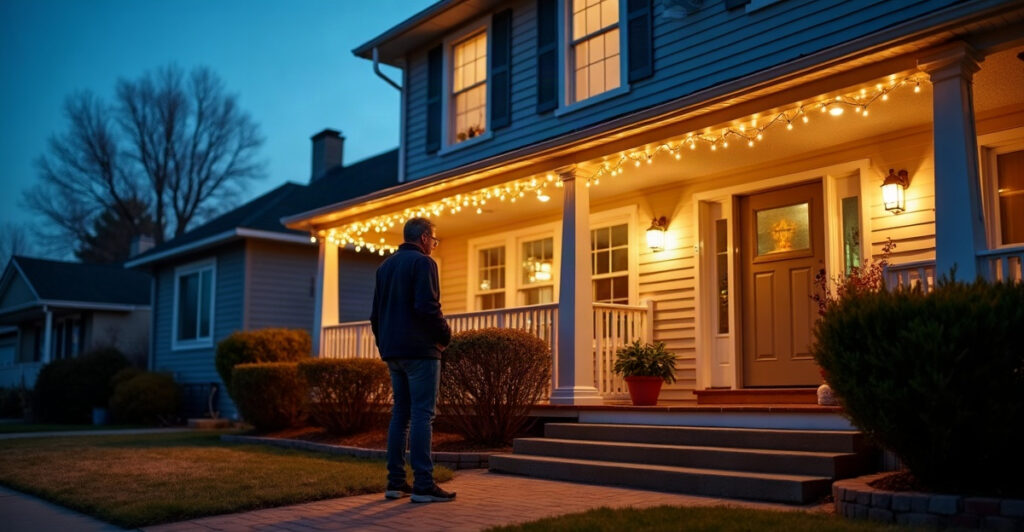
Security Lighting Ideas for a Safer, Smarter Home
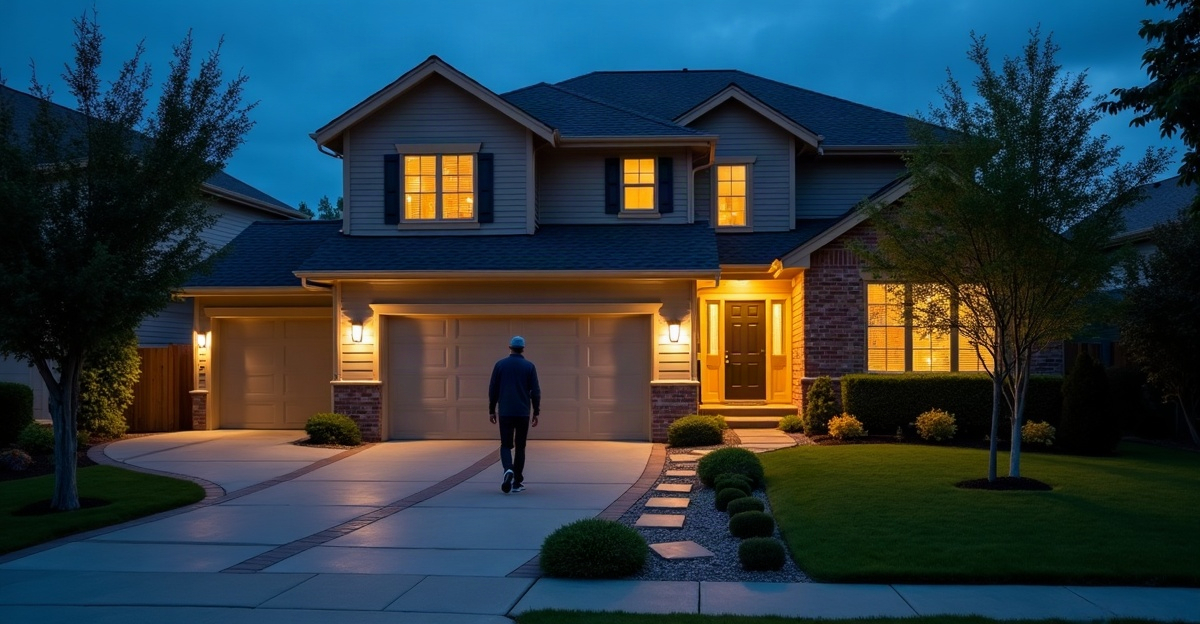
Security lighting works best with layered, well-aimed illumination that improves visibility at entrances, driveways, walkways, side yards, and rear access points without causing glare or excessive light spill. We match each zone with suitable fixtures and controls, such as dusk-to-dawn lighting for active entrances and motion sensors for low-traffic areas. This approach supports safer movement, clearer monitoring, and lasting property value.
Key Takeaways
- We focus lighting on approach routes, access points, steps, gates, and other areas where visibility matters most instead of increasing brightness across the entire property.
- We combine ambient, task, and perimeter lighting to limit dark areas while preserving comfortable outdoor spaces and a balanced exterior appearance.
- We use motion-activated fixtures for infrequently used zones and select dusk-to-dawn operation or schedules for regularly used doors, driveways, and building exteriors.
- We avoid poorly aimed or excessively bright fixtures because they can create glare, sharp shadows, disruption for neighbors, and weaker camera performance.
- We consider professionally planned hardwired or permanent smart lighting for properties that require dependable zoning, clean installation, durable components, and year-round control.
Start With Strategic, Layered Lighting—Not Maximum Brightness
Effective security lighting is less about making every exterior area extremely bright and more about lighting the approach routes, access points, and walking surfaces that matter most. We use properly aimed, layered light to improve visibility, reduce dark areas, and support safer navigation and property monitoring after dark.
Lighting can support a stronger property-security plan, but it cannot guarantee crime prevention. We still need dependable locks, cameras, alarms, gates, and sound daily security practices. The goal is to make key areas easier to see, use, and monitor without creating glare or unwanted light spill.
A practical lighting plan combines three layers:
- Ambient lighting provides general visibility around exterior areas.
- Task lighting focuses on steps, doorways, garage access, and other walking surfaces.
- Accent and perimeter lighting defines pathways, edges, fences, landscaping, and exterior features.
More lumens do not always create better results. Excessively bright fixtures or poor aiming can create glare, deep contrast, harsh shadows, neighbor disturbance, and less useful camera footage. Bright light that shines into a camera lens, window, or driveway can reduce visibility rather than improve it.
Warm-to-neutral white light is often a comfortable choice for residential visibility. The right color depends on the property, fixture style, surrounding surfaces, and intended use. We generally avoid overly harsh or blue-white lighting where comfort and curb appeal are important. For additional design direction, our front-of-house lighting ideas can help align security-focused visibility with a polished exterior appearance.
Illuminate the Areas That Matter Most Around Your Property
The most effective outdoor security lighting ideas start with how people approach and move around the property. Each location needs the right fixture type, output, aiming, and control method.
Entry, Driveway, and Walking Routes
Front entries and porches benefit from consistent, low-level illumination. This makes door hardware, steps, visitors, and deliveries easier to see. Dusk-to-dawn operation or an evening schedule often works well at frequently used doors. Position fixtures to illuminate faces and walking surfaces without shining directly through nearby windows.
Garage doors and driveway approaches need directed light that defines the route from the street or parking area to the building. Motion activation can suit a driveway with irregular use. A scheduled or dusk-to-dawn setting may work better for a garage used every evening.
Walkways, steps, and side-yard paths deserve close attention. We prioritize grade changes, trip hazards, and routes between driveways, doors, gates, and backyard spaces. Low-level path or step lights can establish a clear route, while targeted fixtures can cover darker transitions. Professional landscape accent lighting can help define these areas without making the yard feel overlit.
Side, Rear, and Shared Exterior Areas
Side gates, fences, and narrow access areas often work well with motion-activated lighting. A rarely used gate does not need to remain fully illuminated all night. Fixture placement still matters. Vegetation can block light, while poorly placed fixtures can create hard shadows that conceal the very areas we want to see.
Backyards, patios, decks, rear entrances, sheds, detached structures, and pool-adjacent areas need separate zones. Security-oriented visibility should not make outdoor living spaces uncomfortably bright. Combining pathway, entry, and perimeter lighting creates clearer navigation and helps make these areas more usable after dark.
For small businesses and managed properties, the same principles apply at a larger scale. We focus on entrances, access points, parking areas, walkways, tenant and common areas, signage, and operating hours. Consistent coverage helps support safe navigation and property visibility while limiting excessive spill into neighboring spaces.
Choose the Right Controls for Each Zone
Controls determine when each fixture operates and how much of the property stays illuminated. We recommend matching controls to the use of each area instead of putting every light on one switch.
Motion sensors work best for infrequently used paths, side yards, rear gates, sheds, detached structures, and approach areas. They provide light when activity occurs without keeping every zone on all night. Sensor range, fixture aiming, pet activity, moving vegetation, and possible false activations all deserve review before installation.
Dusk-to-dawn operation suits front entries, building exteriors, frequently used doors, and key access routes. This approach provides dependable visibility without requiring daily manual switching.
Timers and schedules help with predictable routines, business operating hours, travel, seasonal changes, and evening outdoor use. Zoned lighting provides separate control for the front entry, driveway, side yard, backyard, patio, parking area, or tenant spaces. That prevents over-lighting the entire property when one zone needs attention.
App-based control adds convenience for scheduling, manual overrides, travel settings, brightness adjustments, event use, and color changes where applicable. Our smart lighting automation options can keep these controls simple and accessible.
A front entry often benefits from consistent low-level illumination. A rarely used side gate usually benefits from motion-activated lighting. This simple distinction prevents wasted light and improves the function of each zone.
Compare Security Lighting Options Before You Invest
Portable or plug-in fixtures can help with short-term needs, temporary improvements, permitted rental installations, or testing placement before committing to a larger project. Visible cords, a less finished appearance, and inconsistent coverage can limit their long-term value.
Solar path and landscape lights may suit basic pathway definition or smaller lighting needs. Their performance can vary with sun exposure, weather, battery condition, and seasonal daylight.
Traditional hardwired motion lights remain a practical choice for a garage, rear door, side yard, or specific access point. Electrical requirements, fixture placement, and local regulations may call for professional installation. We provide security lighting installation for properties that need a clean, dependable setup.
Professionally installed permanent smart lighting can suit owners who want year-round control, clean integration, reduced seasonal setup, and a polished exterior appearance. It is not required for every property, but it can be a strong long-term option for properties with several exterior lighting needs.
Before choosing a system, we assess property size and layout, fixture quality, installation complexity, climate exposure, available controls, expected use frequency, maintenance needs, daytime appearance, and long-term value. This review helps us decide whether temporary, fixture-based, or permanent lighting fits best.
When Permanent Smart Lighting Is the Right Fit
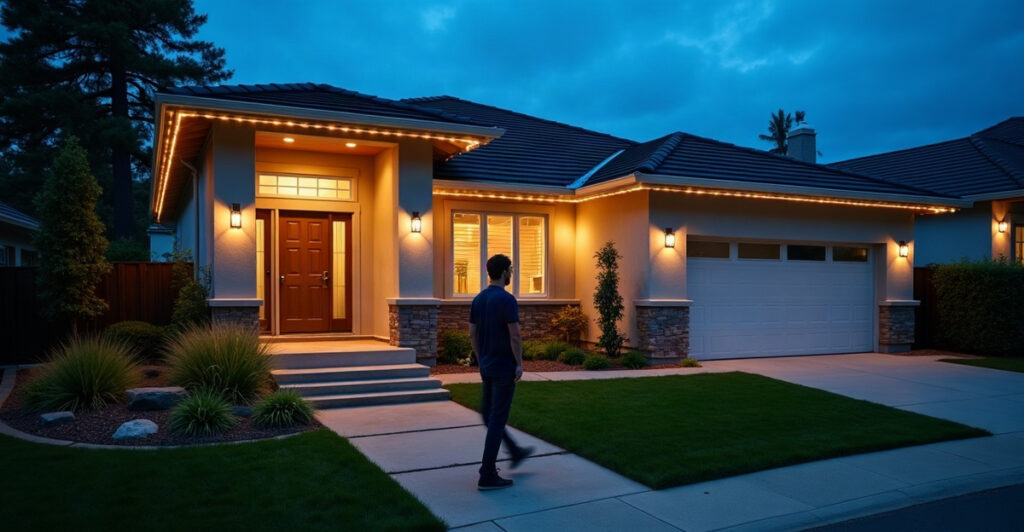
Permanent smart lighting makes sense after we understand the property’s core visibility and security-oriented needs. A well-planned system can sit discreetly along rooflines or architectural features, supporting a cleaner daytime appearance when the lights are off.
Professional permanent outdoor lighting can combine everyday exterior visibility, holiday lighting, entertaining, special events, curb appeal, and security-oriented lighting in one integrated system. App controls can support schedules, zones, brightness levels, and colors where the system allows.
For homeowners who install and remove seasonal lighting each year, permanent lighting can reduce repeated setup and takedown. We can also build holiday scenes that support the rest of the property’s lighting plan. Explore Christmas light colors, smart Christmas decorations, and Christmas home lighting ideas for practical seasonal inspiration.
For larger seasonal concepts, our guide to smart Christmas displays shows how coordinated zones can create a cohesive result. We also recommend reviewing these holiday lighting safety tips before seasonal use.
Climate exposure, component quality, maintenance expectations, and professional workmanship all matter. Electrical requirements, installation methods, and local regulations vary by property. Permanent and hardwired systems often benefit from professional planning and installation rather than improvised electrical work.
Homeowners may prioritize entries, driveways, pathways, side yards, backyard comfort, curb appeal, and holiday use. Business owners and property managers may focus on entrances, parking and access areas, walkways, tenant spaces, signage, and operating hours. We can review placement, zones, controls, and fixture options through a professional lighting consultation for a home or commercial property.
How to Plan Outdoor Security Lighting and Answer Common Questions
How to Plan Your Outdoor Security Lighting
We recommend following this planning framework before choosing fixtures or controls:
- Identify entry points and approach routes.
- Walk the property after dark.
- Mark trip hazards and dark corners.
- Consider sightlines from windows and cameras.
- Select control types by zone.
- Check for glare, light spill, and neighbor impact.
- Decide whether temporary, fixture-based, or permanent lighting best fits the property.
Common Security Lighting Questions
Where should security lights be placed around a house?
Focus on front and back entries, garage doors, driveway approaches, walkways, steps, side gates, side yards, rear yards, sheds, and detached structures. These locations cover the routes people commonly use and the areas that often need better visibility.
Are motion sensor lights better than dusk-to-dawn lights?
Neither option is universally better. Motion sensors suit infrequently used areas, while dusk-to-dawn lighting is often the better choice for consistently used entries and building exteriors.
How bright should outdoor security lighting be?
Choose properly placed, directed lighting instead of relying on maximum brightness. Avoid glare, harsh shadows, light spill, and overly bright fixtures that can make camera footage less useful.
What are the best backyard security lighting ideas?
Use layered lighting around rear doors, patio and deck access, pathways, gates, sheds, fences, and pool-adjacent areas. Separate zones help balance security-oriented visibility with outdoor comfort.
Can permanent outdoor lighting support security and everyday lighting?
Yes. Permanent smart lighting can support everyday visibility, holidays, entertaining, special events, curb appeal, and security-oriented lighting when the system and controls fit the property’s needs.
Is professionally installed permanent lighting visible during the day?
Visibility depends on fixture design, placement, roofline or architectural integration, and installation quality. A property-specific design can help maintain a clean, polished daytime appearance.