How Long Do LED Lights Last? Lifespan and Factors That Affect Durability
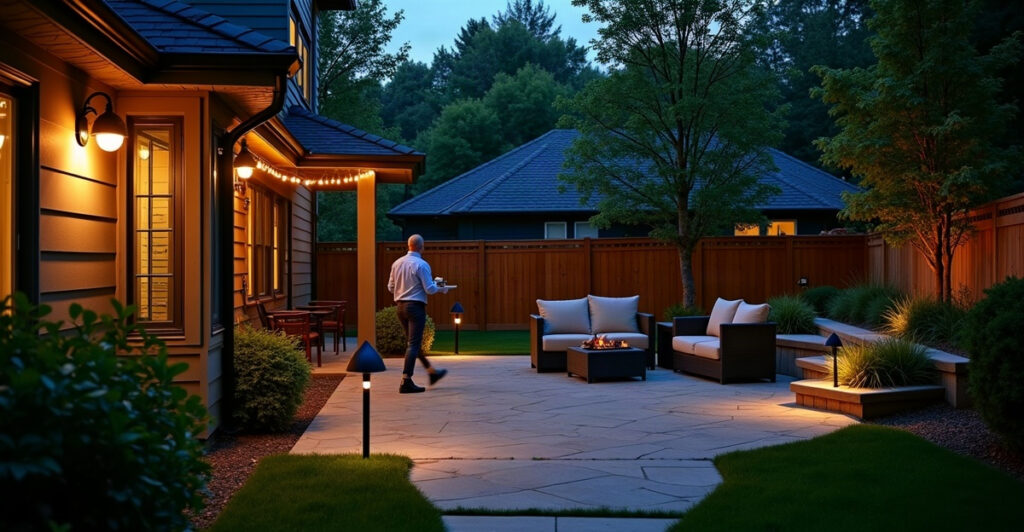
LED light lifespan depends on rated operating hours, daily use, product quality, and site conditions. Most LED bulbs and fixtures carry ratings of roughly 15,000 to 50,000 hours. For outdoor systems, drivers, wiring, controllers, connections, and weather seals also influence long-term performance.
Key Takeaways
- LED lifespan ratings usually reference L70, the point at which a light is expected to deliver 70% of its original brightness under defined test conditions.
- A 25,000-hour LED can operate for about 17 years with four hours of daily use. A 50,000-hour LED can reach about 34 years on the same schedule.
- Heat, direct sunlight, moisture, salt air, debris, power surges, and inadequate drainage can reduce the service life of outdoor LED systems.
- Professional installation protects wiring and connections, correctly sizes power equipment, supports drainage, and preserves access for future service.
- Maintenance, warranty terms, and replaceable parts matter. Drivers, controllers, power supplies, and connectors may need service before the LED modules.
The Short Answer: Typical LED Lifespan in Hours and Years
Many LED bulbs and fixtures are commonly rated for roughly 15,000 to 50,000 operating hours. Real-world LED light lifespan can vary substantially based on product quality, operating conditions, installation, and the parts supporting the LEDs.
How long LED lights last has two answers. The first is the rated operating life of the LED product. The second is the calendar life of the complete lighting system in its actual environment.
An LED diode, a replaceable LED bulb, an integrated LED fixture, and a permanent outdoor lighting system are different products with different service considerations. A permanent system includes tracks, light modules, wiring, controllers, power supplies, connections, and app-based controls. Any of these components can affect outdoor LED lifespan.
Rated hours are laboratory-based projections under specified conditions. They do not guarantee that every LED will operate perfectly for that exact period. Still, quality LED systems can provide a durable, serviceable, long-term lighting option when we use reliable components and install them correctly.
For seasonal comparisons, review LED holiday lighting options before choosing bulbs, strands, or a permanent system.
What an LED Lifespan Rating Actually Means: L70, Lumen Depreciation, and System Components
LEDs typically lose brightness gradually instead of suddenly burning out like many incandescent bulbs. This gradual reduction in light output is called lumen depreciation.
L70 is a common performance measure. It identifies the point at which a light source is projected to produce 70% of its original light output under specified test conditions. A 25,000- or 50,000-hour rating commonly refers to projected LED light output under rated conditions. It does not automatically describe the lifespan of every component in the system.
Drivers, power supplies, wiring connections, controllers, seals, and app-based controls all contribute to long-term performance. Depending on the design and environment, a driver, connector, controller, wiring connection, seal, or moisture-affected component may need service before the LED emitter reaches its projected L70 rating.
Frequent switching can matter for certain products, as can control-system issues. However, programmable outdoor lighting systems do not need to run continuously. We can set schedules, colors, and operating times that match the season or occasion. A well-planned system also gives us control without unnecessary nightly run time. For guidance on controls and compatibility, see smart lighting system selection.
Converting LED Operating Hours Into Calendar Years
The table below reflects operating time, not a guarantee of performance. It shows why the answer to how long LED bulbs last depends heavily on daily use.
| Average Daily Use | 25,000 Hours | 50,000 Hours |
|---|---|---|
| 4 hours per day | About 17 years | About 34 years |
| 6 hours per day | About 11 years | About 23 years |
| 12 hours per day | About 6 years | About 11 years |
A claim that 50,000 hours equals 11 years applies only when lights operate about 12 hours every day. Running a system for fewer hours per night will typically extend the calendar time required to reach its rated operating hours.
Programmable permanent lighting may run for only a few hours each evening or only on selected dates. Its calendar life can therefore differ from a system used nightly from dusk to dawn. For systems that operate on an automatic evening schedule, review how dusk-to-dawn outdoor lights work before selecting a control method.
Fewer operating hours can extend calendar life, but they do not eliminate environmental wear or component failures. We should compare the intended duty cycle, system design, installation conditions, warranty coverage, and service options instead of relying on one advertised hour rating.
What Affects Outdoor LED Lifespan in Real-World Conditions?
Outdoor LED lifespan can vary significantly based on the product, local climate, exposure, and installation quality. A quality light module alone cannot offset poor drainage, unsecured wiring, undersized power equipment, or improperly protected connections.
Heat is one of the most important factors. LEDs and their electronic components need effective thermal management. Heat buildup can accelerate lumen depreciation and place added stress on drivers and power supplies. Direct sun and UV exposure can also affect housings, seals, finishes, and mounting materials over time.
Moisture requires equal attention. Rain, condensation, snow, ice, roof runoff, and poor drainage can create problems if water reaches vulnerable connections or enclosures. Coastal properties may also face salt air, which can affect exposed materials and electrical connections. Dust, debris, insects, wind, vibration, and physical impact add further wear.
Electrical conditions matter as well. Voltage fluctuations, power surges, low-quality drivers, weak connectors, poorly sealed components, and control-system faults can all shorten service life. Incorrect installation creates avoidable risk, especially where wires remain exposed, mounting is loose, or connections lack proper protection.
Outdoor LEDs may perform differently in hot, cold, wet, or coastal climates. No universal outdoor lifespan applies to every property. Product specifications, direct sun exposure, drainage, roofline design, wind, salt air, electrical protection, and mounting methods all matter.
IP ratings describe a product’s tested resistance to dust and water ingress under specific test conditions. An IP rating alone does not prove that a system suits every climate, roofline, or installation method. We should evaluate the complete installation rather than treating one rating as a blanket durability promise.
If lights begin pulsing, dimming unexpectedly, or behaving inconsistently, review common LED flicker causes and arrange service when needed.
Why Professional Installation Matters for Permanent Outdoor Lighting
The durability of permanent outdoor lighting depends on system design and workmanship as much as the LED modules themselves. Professional installation helps ensure that power supplies are correctly sized, cables follow protected routes, components mount securely, and connections receive appropriate protection.
A well-installed system accounts for drainage, physical damage risks, clean cable management, service access, and the ability to replace or repair individual components where the design allows. Weather-rated equipment and sealed connections are important where required, but placement and installation details remain equally important.
Temporary strands and permanent systems serve different purposes. Temporary lights may be handled, installed, removed, stored, and reinstalled each year. Permanent systems are generally built around fixed mounting, protected wiring, and longer-term access for service. Neither option is automatically right for every property.
We should compare intended use, weather exposure, wiring and connection protection, serviceability, warranty support, daytime appearance, and mounting quality. A professionally installed system can address roofline conditions, heat, moisture, snow, wind, sun, and salt air in a local area. It cannot eliminate all weather-related wear or guarantee identical results on every property.
For a fixed, professionally managed option, explore permanent outdoor lighting built around clean installation and practical long-term serviceability.
Maintenance, Repairs, Warranties, and Questions to Ask an Installer
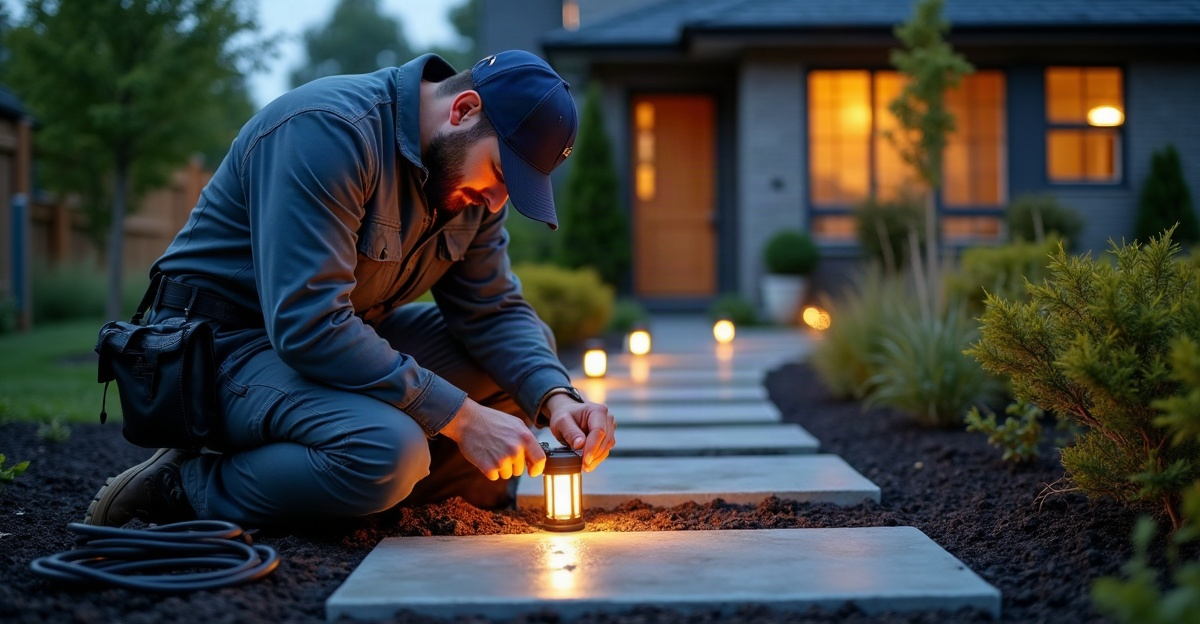
LED lighting is not maintenance-free. Durable systems still benefit from occasional visual inspections, cleaning when appropriate, checks for physical damage after severe weather, and reliable access to app and controller settings. If a section, module, or control component stops working, we should contact the installer rather than ignore the issue.
Individual lights may be replaceable, but this depends on the system design. The LED itself is only one part of the system, and drivers, controllers, power supplies, connectors, seals, and wiring may require attention first. Permanent outdoor lighting may need periodic inspection, cleaning, troubleshooting, and occasional component repair or replacement.
Warranty reviews should separate coverage for lights, drivers, controllers, wiring, labor, exclusions, and applicable conditions. Professionally installed permanent lights can offer long-term value when system design, weather suitability, installation quality, serviceability, and warranty terms align with the property’s needs.
What to Ask a Permanent Lighting Installer
Before selecting a system, we should ask:
- What is the rated life of the LED modules, and under what conditions is it measured?
- What warranty applies to lights, drivers, controllers, wiring, and labor?
- Are individual modules or sections serviceable or replaceable?
- What weather-resistance ratings and materials does the system use?
- How are wiring, connections, and power supplies protected?
- How does the installation account for heat, moisture, snow, wind, sun, or salt air in the local area?
- What maintenance, troubleshooting, and post-installation support are available?
- How visible is the system during the day?
Electrical safety also remains important during inspections, seasonal adjustments, and repairs. Follow these holiday lighting safety tips whenever working around exterior lighting and power connections.
If we are comparing permanent outdoor lighting options, a professional assessment can help evaluate installation conditions, system design, weather exposure, warranties, and long-term serviceability for a property. We can contact Bosso Smart Lighting to discuss the practical details before installation.