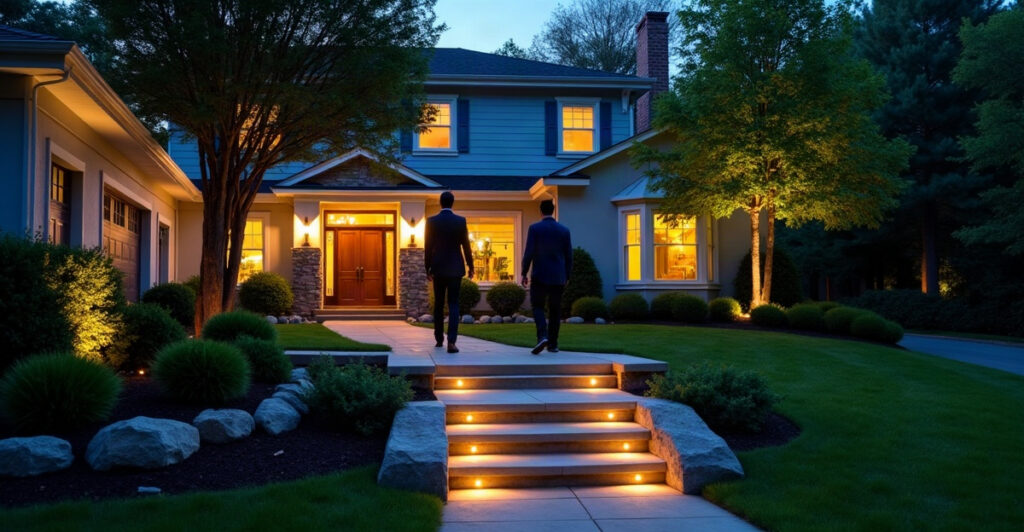
How to Choose a Smart Lighting System for Home Use?
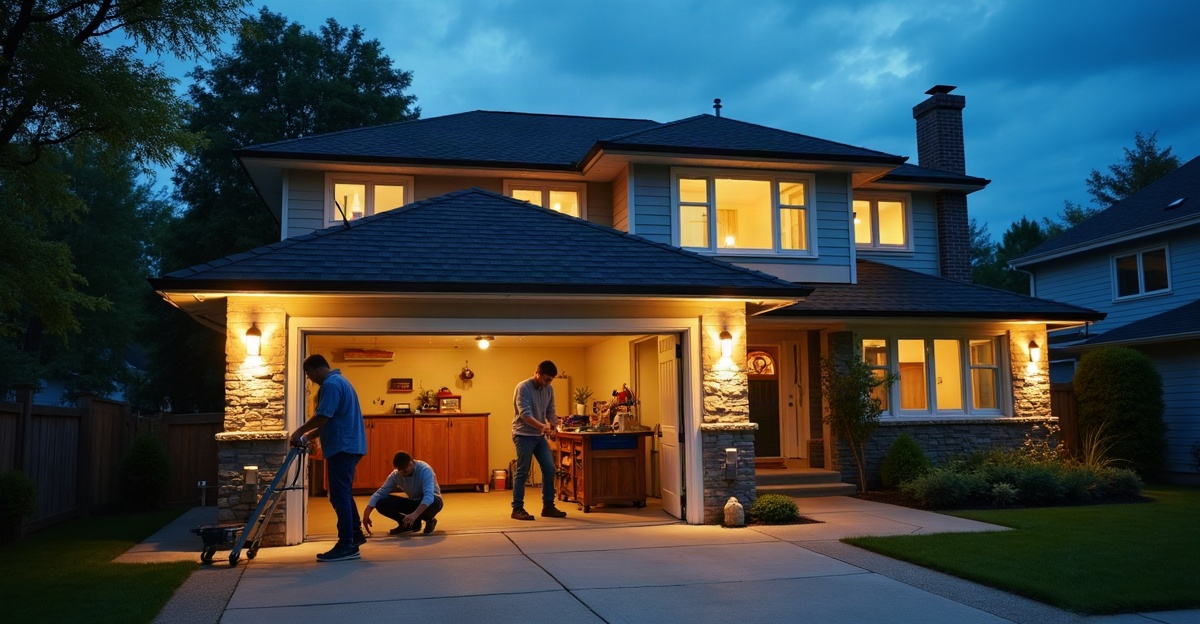
Choosing a smart lighting system for home use means comparing permanent, DIY, and temporary outdoor options based on property layout, budget, planned use, and maintenance preferences. We can install a professional permanent system for seamless roofline integration, reliable controls, and long-term service support. Temporary and DIY options can suit renters, smaller budgets, and hands-on property owners who prefer to manage installation and repairs themselves.
Key Takeaways
- Choose a lighting type based on whether we need year-round convenience, seasonal flexibility, or full control over installation and repairs.
- Assess roofline details, power access, local weather, mounting options, and cable routing before we select equipment.
- Focus on dependable app controls, strong Wi-Fi coverage, schedules, presets, brightness adjustments, and practical zone control instead of excess effects.
- Consider daytime appearance, installation quality, weather-rated hardware, and replaceable components to achieve a clean, lasting installation.
- Confirm written warranty terms, service responsibilities, repair availability, and electrical upgrades that could affect the total project cost.
Is Permanent Smart Outdoor Lighting the Right Fit for Your Property?
A smart lighting system for home use is not automatically the right choice for every property, budget, or lighting goal. Permanent smart outdoor lighting works best where year-round convenience, clean installation, and reliable control matter more than the lowest initial cost.
We often recommend permanent exterior lighting for homeowners, property managers, and small business owners who want to avoid repeated seasonal setup. Climbing ladders, untangling lights, storing decorations, managing visible wiring, and correcting uneven DIY installation can turn holiday lighting into a recurring chore.
A professionally planned system can support holiday displays, game days, parties, everyday accent lighting, business colors, and better nighttime visibility. Some properties may use only a few of these features. The right setup should match actual habits instead of adding options that will not see regular use.
Permanent lighting may improve perceived curb appeal and help define exterior features after dark. Results vary with the property, roofline, mounting details, lighting design, and how frequently the system is used. It should not be treated as a guaranteed security solution or a guaranteed increase in property value. For practical ideas, review these modern outdoor lighting designs.
The best smart lighting system for home use depends on property-specific criteria, not a universal product ranking. Permanent lighting may fit properties where reliable workmanship, attractive daytime appearance, easy controls, durability, service access, and long-term convenience are priorities.
Another option may make more sense for renters, short-term seasonal displays, limited budgets, or owners who prefer to install, repair, and manage the system themselves. Temporary lighting remains a valid choice where permanent roofline equipment is not wanted.
Understand the Smart Lighting Options Before Comparing Features
Smart lighting covers several very different products. Comparing them as if they serve the same purpose can lead to the wrong purchase.
Indoor smart bulbs are usually best for room-by-room convenience, ambiance, and basic app or voice control. They can change color, follow schedules, and simplify daily routines, but they are not intended to provide a permanent roofline lighting solution.
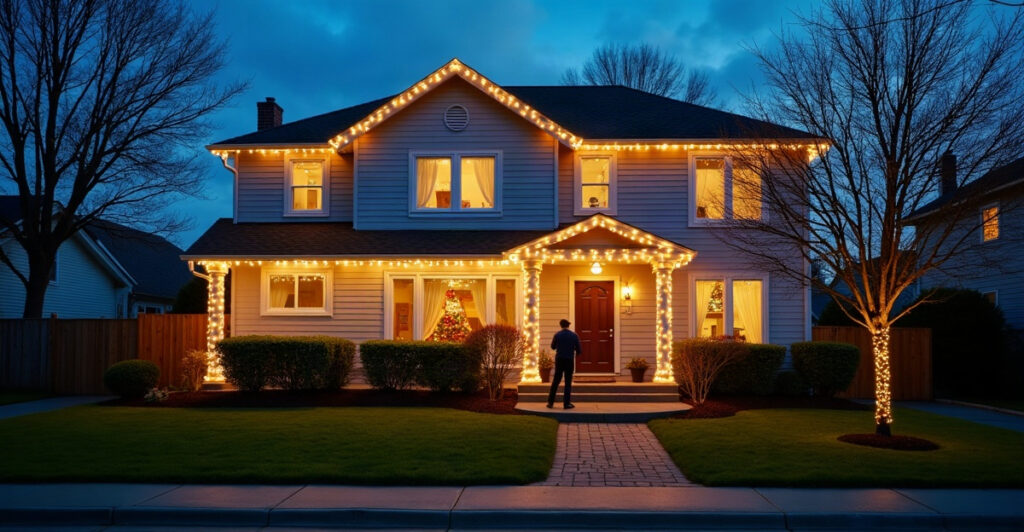
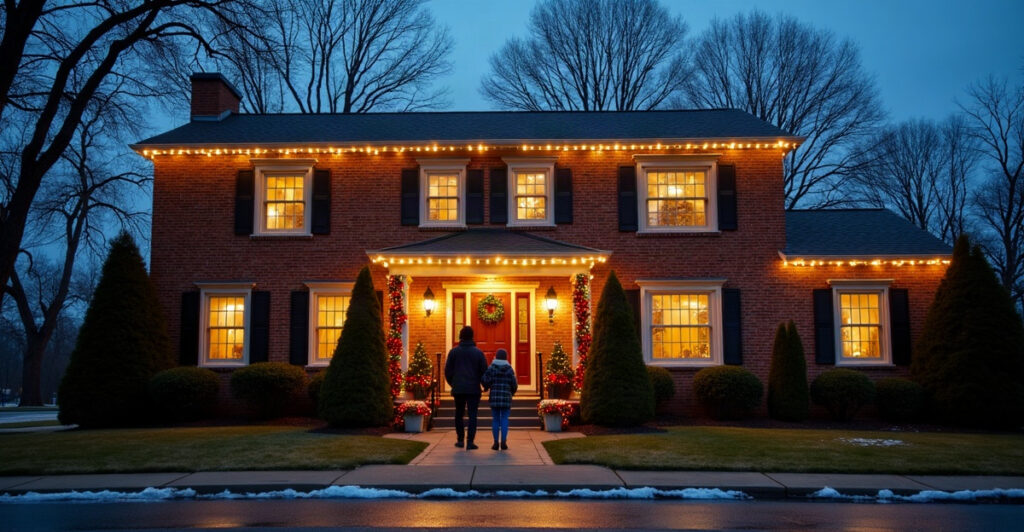
Temporary outdoor string lights work well for occasional holiday displays and short events. Their tradeoff is recurring installation, removal, storage, ladder work, and the possibility of inconsistent results from year to year. Seasonal displays can still look excellent with a clear plan, including these smart Christmas light colors and coordinated holiday lighting decor ideas.
DIY permanent-lighting kits offer a lower initial cost and direct hands-on control. However, the property owner takes responsibility for placement, wire routing, weather protection, electrical planning, troubleshooting, repairs, and future modifications. DIY permanent-lighting kits can suit capable owners who want that level of involvement.
This article focuses on professionally installed permanent outdoor lighting. Professional installation is often preferred for its clean finish quality, secure mounting, cable management, weather-aware installation, electrical planning, roofline access, and long-term service options. It is not required for every smart-lighting product, but it can reduce the risk of visible wires, uneven spacing, and difficult future repairs.
Our residential lighting installation approach focuses on permanent systems that look intentional in daytime conditions and operate simply after dark.
Evaluate the Factors That Matter Most in Everyday Ownership
Installation quality affects how a permanent exterior lighting system looks, operates, and can be serviced later. Roofline placement, controller location, power access, wire management, weather exposure, and electrical safety all deserve attention before installation begins.
Home size, roofline complexity, number of stories, access conditions, and electrical requirements can change the installation scope. Some properties may need electrical upgrades or dedicated power access. A professional assessment should identify these requirements before work starts, rather than after equipment is selected.
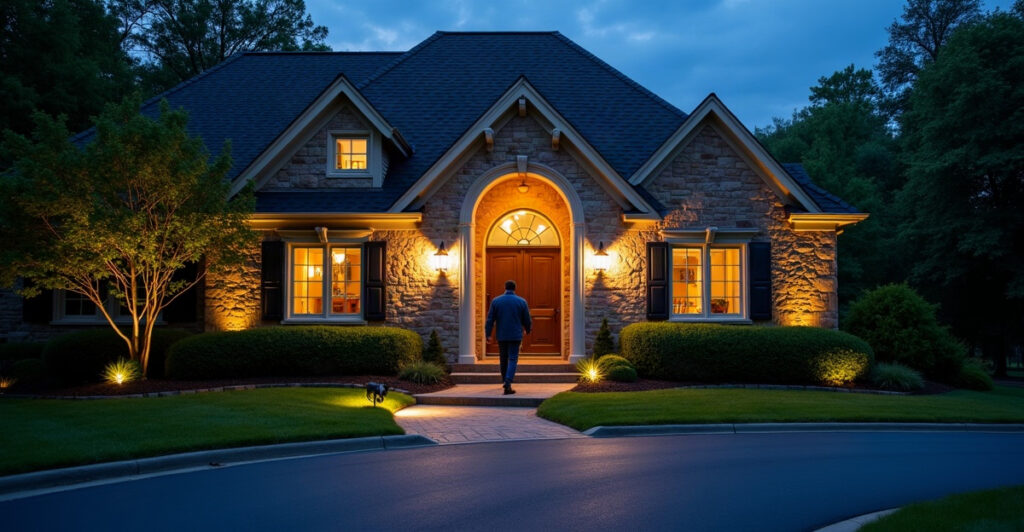
Daytime appearance and curb appeal deserve the same attention as nighttime effects. Light visibility can vary with trim color, mounting method, spacing, channel or track design, wire routing, architecture, and installer craftsmanship. Color-matched channels and carefully routed cables can make a meaningful difference. Still, no responsible installer should promise that permanent lights will be completely invisible during the day.
Controls should feel dependable, not complicated. Common smart outdoor lighting controls include mobile apps, timers, schedules, saved presets, brightness adjustments, color selection, zones, and automation. The experience depends on app design, Wi-Fi coverage, controller reliability, and whether zone control provides useful separation across the property. A long list of effects has limited value if the app or connection is unreliable.
Our smart lighting automation service helps organize schedules and controls around practical daily use. The Bosso App can make it easier to select colors, manage presets, and adjust lighting without accessing roofline equipment.
Climate compatibility should be evaluated for the local environment rather than assumed. Outdoor systems need weather-rated components, proper connections, secure installation, and occasional troubleshooting. Heat, rain, wind, snow, ice, salt exposure, and temperature swings can all influence planning and maintenance needs.
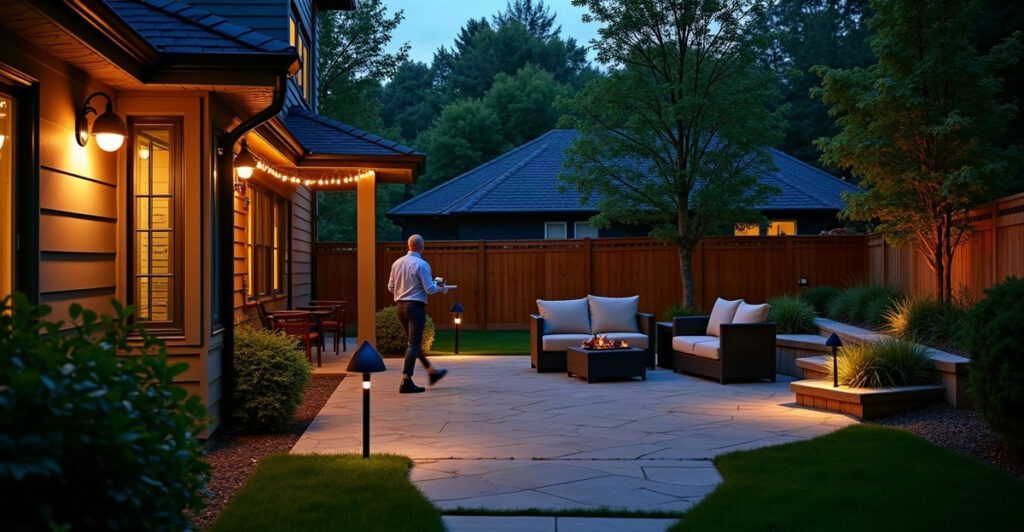
Lighting quality should match its intended use. Subtle accent lighting calls for a different approach than holiday displays, event colors, business branding, or visibility around entrances and exterior paths. For broader planning guidance, use this outdoor lighting plan. Where visibility is a priority, review these security lighting ideas as part of a layered property approach.
Compare Temporary, DIY, and Professionally Installed Systems
A best smart home lighting system comparison should account for climate compatibility, installation method, control reliability, lighting quality, warranty terms, service availability, and long-term support. The table below provides a practical starting point.
| Criteria | Temporary Seasonal Lights | DIY Smart Outdoor Lights | Professionally Installed Permanent Outdoor Lighting |
|---|---|---|---|
| Upfront effort | Repeated seasonal setup and removal | High planning and hands-on effort | Lower owner effort after consultation and installation |
| Installation complexity | Usually simple, but ladder work may be required | Moderate to high, depending on roofline and electrical needs | Managed through professional site planning and installation |
| Daytime appearance | Removed after use | Varies greatly with placement and wire routing | Can provide a cleaner, more integrated finish |
| Customization | Limited by the selected lights and manual setup | High, with owner-managed configuration | High, with planned layouts, zones, presets, and schedules |
| Durability | Depends on seasonal handling and storage | Depends on product choice and installation quality | Depends on components, installation, climate, and upkeep |
| Maintenance | Annual setup, removal, storage, and replacement | Owner handles troubleshooting and repairs | May include service access and support options |
| Control options | Often basic timers or simple apps | App-based controls vary by kit | Apps, schedules, presets, brightness, colors, and zones may be available |
| Service support | Generally self-managed | Generally self-managed | Installer or provider support may be available |
| Best-fit use case | Short-term displays, renters, and limited budgets | Hands-on owners comfortable with setup and repairs | Properties prioritizing finish quality, convenience, and long-term service |
Temporary seasonal lights can be practical for short-term displays, renters, limited budgets, and properties where permanent roofline equipment is not wanted. DIY smart outdoor lights may appeal to owners who want direct installation control and are comfortable with setup, weather protection, troubleshooting, and future repairs.
Professionally installed permanent outdoor lighting may offer a cleaner finish, structured electrical planning, and service support. It usually requires a larger initial commitment. For many properties, that commitment makes sense because it replaces repeated annual setup with a fixed, controllable system.
Plan for Maintenance, Warranty, Service, and Long-Term Value
Permanent outdoor lighting maintenance still matters. Durable systems require quality components, correct installation, clear warranty coverage, and a realistic service plan. No exterior system should be described as maintenance-free or permanent without qualification.
Before choosing a system, understand how app updates, Wi-Fi changes, controller troubleshooting, replacement parts, seasonal cleaning, and repairs will be handled. It is especially important to confirm whether individual lights, sections, controllers, and power components can be serviced or replaced without replacing the whole system.
Lighting warranty and service coverage should address both product components and installation workmanship. Warranty terms vary, so written documentation should identify what is covered, who performs service, and what process applies if a fault appears.
A smart lighting system for home value should be measured by suitability over time, not simply by the initial price. Cost can vary based on property size, linear footage, roofline complexity, number of stories, electrical needs, controller features, access challenges, installation scope, and service coverage.
We should weigh expected use against daytime appearance, installation quality, control reliability, maintenance requirements, and available long-term support. Permanent lighting may improve nighttime visibility and perceived curb appeal, but it does not guarantee energy savings, property value gains, crime prevention, or safer conditions.
For properties that need targeted illumination beyond roofline lighting, landscape accent lighting can help define paths, planting areas, architectural features, and outdoor gathering spaces. Existing fixtures may also benefit from LED retrofit upgrades where appropriate.
Questions to Ask Before Choosing a System or Installer
Use this checklist during a smart lighting system for home consultation and while comparing proposals from a permanent outdoor lighting installer.
Consultation Checklist
- How visible will the lights, channels, and wiring be during the day?
- How will the system be mounted and protected from weather exposure?
- Which control options, schedules, presets, brightness settings, and zones are included?
- What happens if Wi-Fi goes down or the app changes?
- Can individual lights, sections, controllers, and power components be serviced or replaced?
- What warranty applies to products and installation workmanship?
- Who provides service after installation, and what is the expected response process?
- Will the property need electrical upgrades or dedicated power access?
- How is the system expected to perform in the local climate?
- What is included in the installation scope, and what conditions could affect final cost?
A property-specific assessment should cover roofline design, daytime appearance, control preferences, and long-term support before a final system is selected. We can review those details through a low-pressure lighting consultation and help determine whether permanent smart outdoor lighting fits the property’s needs.