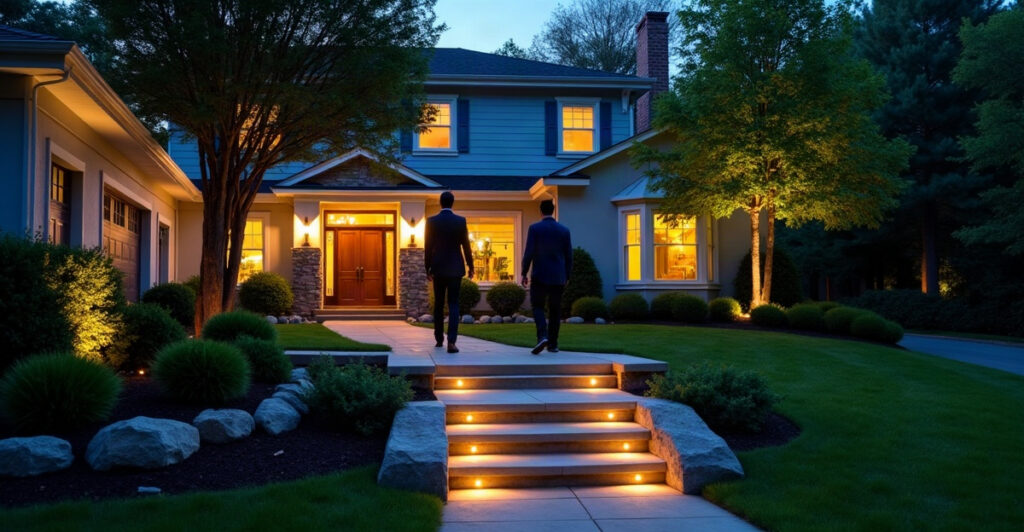
Landscape Lighting Ideas for Front of House Entrances and Walkways
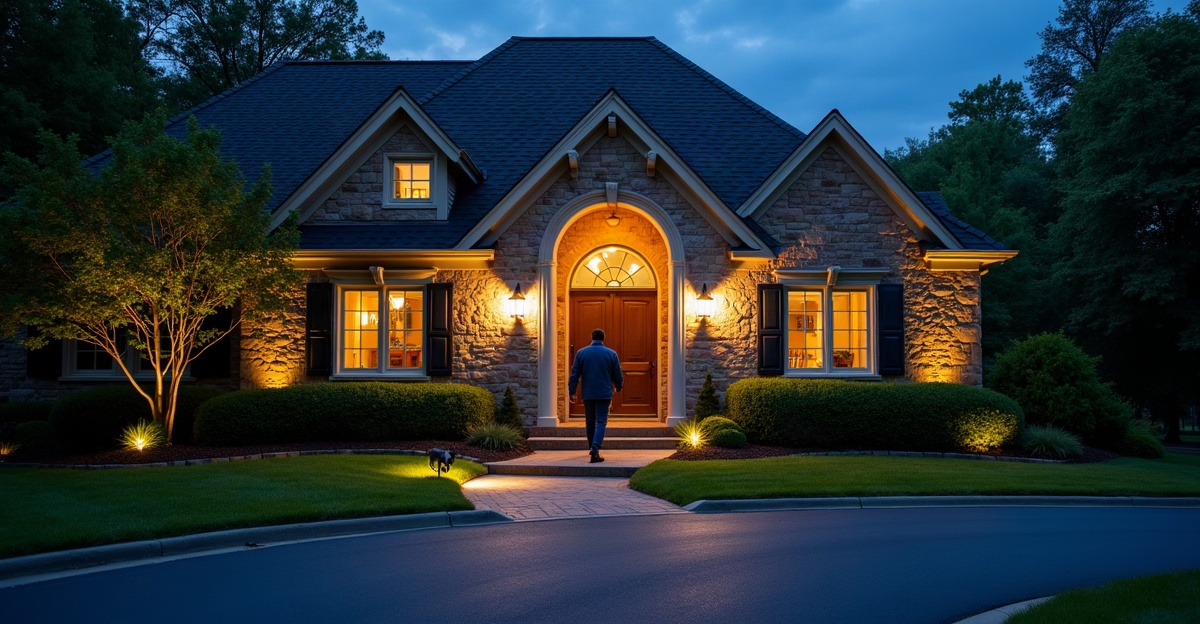
We achieve the best landscape lighting for front-house entrances and walkways with layered, shielded fixtures that guide visitors safely to the door, illuminate address numbers, and define steps without glare. A practical layout pairs warm-white path, step, accent, and driveway lighting with durable controls and well-positioned fixtures for lasting performance.
Key Takeaways
- We prioritize the entry door, house numbers, walkways, steps, driveway approaches, and parking areas to improve nighttime visibility.
- We use downward-facing path lights and low-glare step lights to reveal travel routes and elevation changes without creating a runway effect.
- We use focused uplighting, wall washing, or grazing to showcase trees, stonework, columns, and façade details with controlled brightness.
- We use permanent roofline lighting for architectural accents and seasonal color, while landscape lighting continues to provide essential path and step visibility.
- We plan for durable components, protected wiring, seasonal controls, plant growth, drainage, and future maintenance before installation.
Light the Front Entry First: A Layered Plan for Visibility and Curb Appeal
Effective landscape lighting ideas for front-of-house areas use layers of soft, targeted light instead of simply making the property brighter. We place shielded fixtures where they help guests identify routes, see changes in elevation, and appreciate the home’s best features without glare, harsh shadows, light trespass, or an overly commercial appearance.
We start with the areas that matter most after dark: the entry door and porch, address numbers, walkways, garden paths, steps, driveway approaches, and parking areas. Well-planned lighting can improve visibility around entrances, walkways, and steps, making the property easier to navigate after dark. It should guide guests to the door without shining into the eyes of approaching visitors or drivers.
Fewer, better-positioned fixtures usually create a stronger result than lighting every part of the yard. Warm white lighting works well for many residential entries and landscaped areas because it feels comfortable and complements natural stone, brick, wood, and planting materials. Color-changing permanent systems add flexibility for holidays, celebrations, team colors, and commercial branding without making color the default every night.
A complete plan should account for the front door, address plaque, path, steps, planting beds, driveway, and a focal tree or architectural detail. For more inspiration, explore these front house lighting ideas before deciding where each lighting layer belongs.
Lighting Ideas by Front-of-House Area
The right placement depends on how people approach and use the property. Walkway width, step locations, driveway traffic, mature landscaping, irrigation lines, existing exterior lights, façade materials, rooflines, neighborhood brightness, HOA guidelines, dark-sky requirements, and commercial needs all affect the final layout.
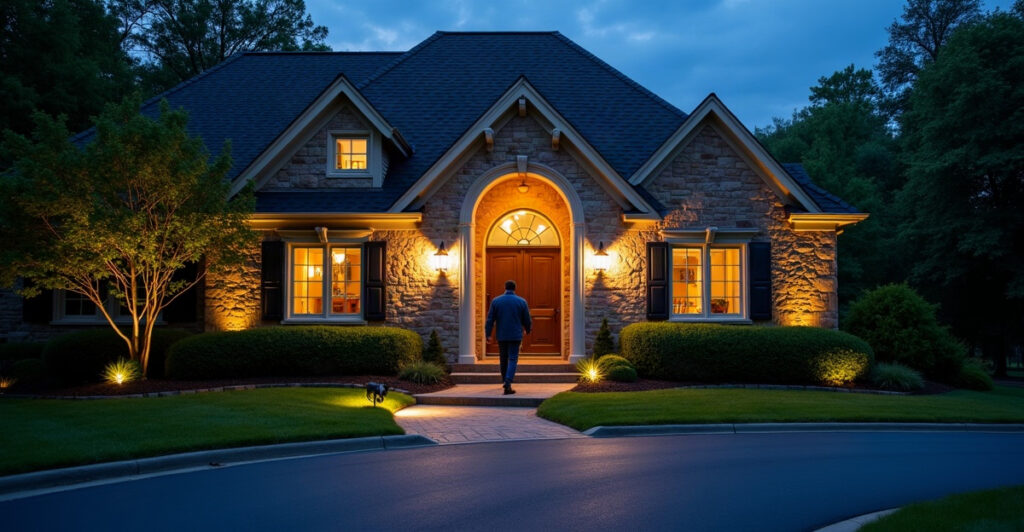
At the entry door and porch, subtle porch fixtures, downlights, or carefully aimed accents can make the threshold easy to identify. The goal is a welcoming arrival point, not a bright spotlight. We also illuminate house numbers from an angle that makes them readable from both the street and driveway while avoiding reflective glare.
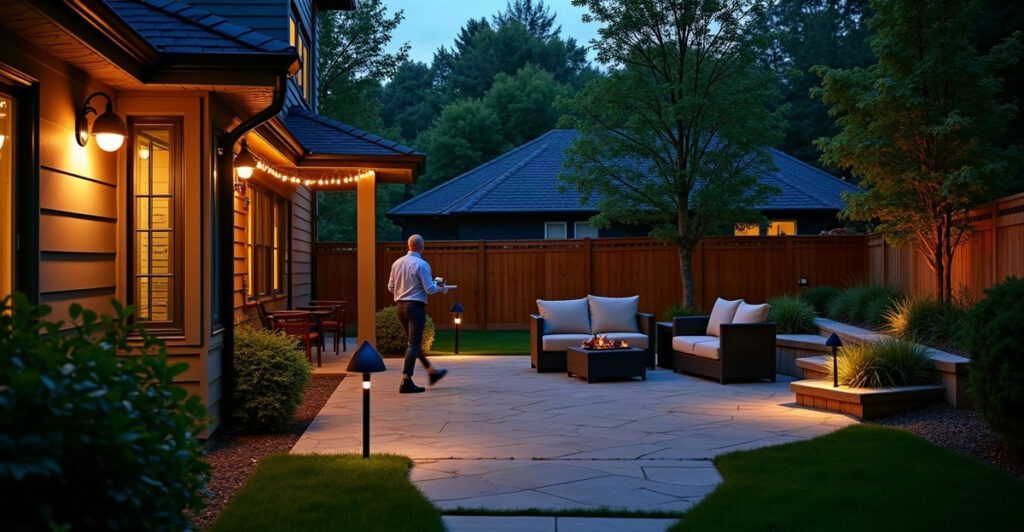
For walkways and garden paths, downward-directed path lights define the route and support nighttime wayfinding. We often stagger fixtures rather than placing identical lights along every edge. This avoids the runway effect and provides better visual rhythm. These types of landscape lighting can help us match the fixture style to each route and planting area.
Steps, handrails, and grade changes need dedicated attention. Step and deck lights should reveal the tread, edge, or adjacent surface without shining directly at people using the stairs. Each elevation change should read clearly before someone reaches it.
Columns, walls, stonework, and façade details benefit from restrained uplighting, wall washing, or grazing. Carefully aimed light adds depth and texture while keeping brightness controlled. Around trees and planting beds, uplights or softer downlighting can create a natural focal point. We allow room for plant growth, future pruning, and routine landscape work so shrubs do not block the fixtures over time.
Driveway approaches and parking areas need targeted coverage for edges, turns, and entry points. Fixtures should avoid casting light toward passing traffic, bedroom windows, or neighboring properties. A professional landscape accent lighting plan balances these practical needs with curb appeal.
Choose the Right Lighting Effect and Fixture Type
Fixture selection should follow the design goal. Placing lights everywhere creates visual clutter, unnecessary brightness, and a less comfortable front approach. We choose the effect first, then select fixtures that produce it with controlled beam spread and appropriate output.
Path lights define walking routes. Step and deck lights reveal elevation changes without direct glare. Uplights highlight trees, columns, stonework, and façade details, but require careful aiming to limit spill into windows, neighboring properties, and traffic areas. Downlighting or moonlighting from suitable trees or elevated structures provides a softer wash of light. Wall washing and grazing bring out texture, while compact accent fixtures can highlight planters, entries, address numbers, and focal points.
Quality systems can integrate discreetly with planting beds, hardscapes, trim, rooflines, and architectural details. Still, we set realistic expectations: not every fixture, cable, or wire route can disappear completely on every property. Good planning reduces daytime visibility while preserving access for service and adjustments.
For homes with contemporary architecture, a restrained lighting composition often performs best. These modern landscape lighting ideas show how light can emphasize form without distracting from it.
Landscape Lighting and Permanent Roofline Lighting: How They Work Together
Low-voltage landscape lighting and permanent roofline lighting serve different purposes. Landscape systems typically illuminate paths, beds, trees, steps, and architectural accents from ground-level or elevated landscape fixtures. Permanent roofline or soffit-mounted lighting provides architectural accent lighting and seasonal color from the structure itself.
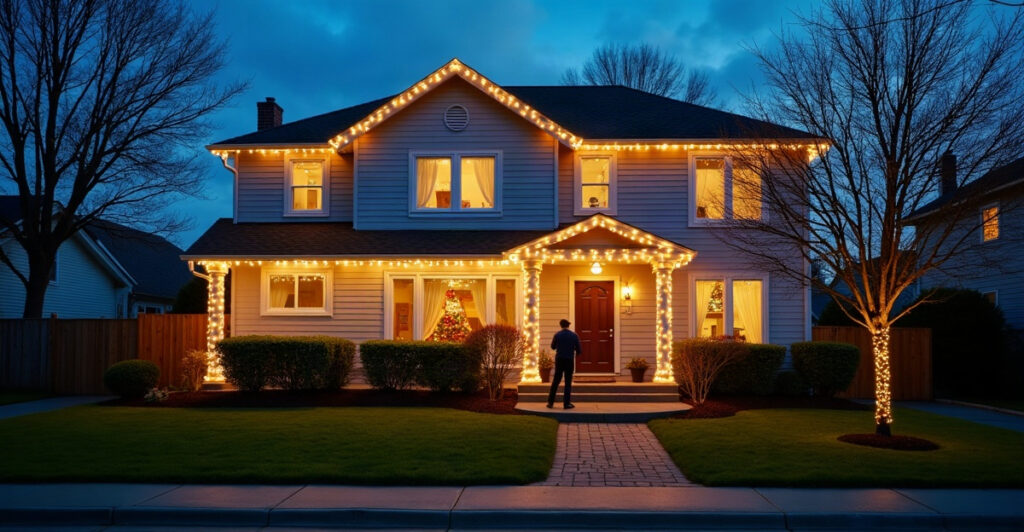
Permanent roofline lighting can offer year-round white-light scenes as well as holiday and event colors. It is not the same as landscape lighting, and it does not replace path lights or step lighting where direct route visibility matters. Landscape lighting remains central for everyday entry navigation, curb appeal, architectural emphasis, and security-minded visibility.
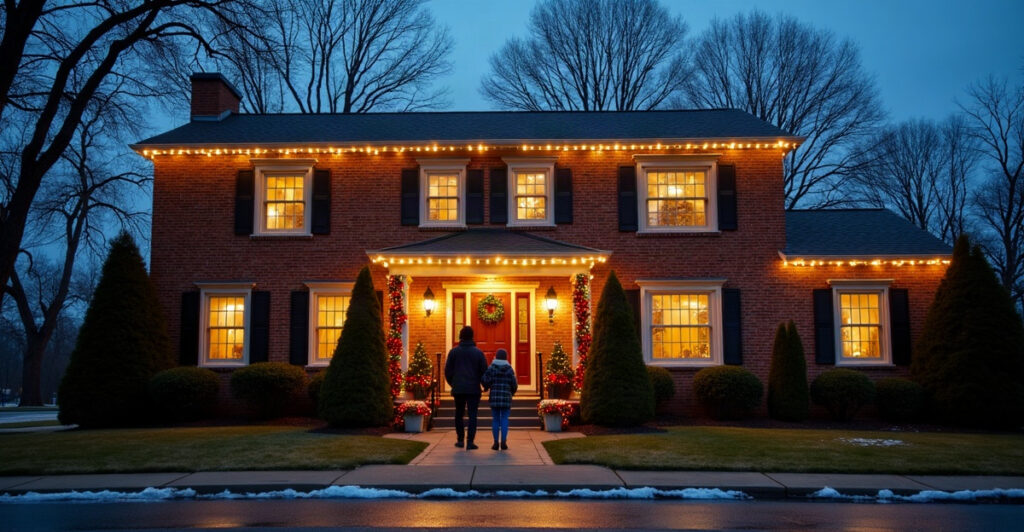
Both systems can work together as part of one full-property design. For example, warm white landscape accents can support a calm nightly scene while roofline lights add subtle architectural definition. Holiday or event scenes can introduce color when appropriate, then return to a clean everyday setting afterward. Commercial properties benefit from consistent schedules and restrained effects near public-facing spaces.
Permanent lights are generally visible to some degree during daylight, depending on the product, mounting location, trim color, and viewing angle. A well-planned installation limits visual impact, but complete invisibility is not realistic in every case. Compatible landscape and roofline systems may also be controlled through one app or control platform. Our smart lighting automation options make it easier to manage scenes, zones, schedules, and seasonal changes.
Make the System Easy to Use, Durable, and Serviceable
Controls make a lighting system practical year-round. Timers, photocells, scheduled operation, zones, dimming, and app-based controls allow us to adjust lighting for seasonal daylight changes, occupancy schedules, special events, and property use. A front entry may need a different brightness level than a driveway or a decorative tree.
Professional installation is often worthwhile because fixture placement, wire routing, cable protection, low-voltage management, weather-rated connections, and code awareness affect long-term performance. Drainage, irrigation, root growth, vehicle traffic, access for maintenance, and future landscape changes should all influence fixture locations and wire runs.
A simple path-light project may be manageable for experienced DIY homeowners. Complex front entries, extensive wiring runs, roofline integration, permanent systems, and commercial sites usually benefit from professional design and installation. Our residential lighting installation service focuses on reliable placement, clean routing, and practical long-term serviceability.
Permanent outdoor lighting needs periodic attention, though maintenance is usually manageable with quality components and proper installation. We recommend occasional fixture cleaning and aiming, trimming vegetation that blocks light, checking connections, replacing components as needed, adjusting schedules with the seasons, and reviewing app settings or scenes. Complex permanent systems may also benefit from scheduled professional service.
Before You Choose a Lighting System: Planning, Value, and Next Steps
A clear planning process helps us invest in the right areas first. Before choosing fixtures or controls, review the following priorities.
Front-of-House Lighting Checklist
- Desired nighttime uses, including entry visibility, entertaining, seasonal displays, commercial branding, or architectural accenting.
- Priority areas such as the entry, address numbers, pathways, steps, driveway, landscaping, façade, and roofline.
- Existing exterior lighting, glare, dark spots, and limited-visibility areas.
- Control preferences for timers, photocells, app access, zones, dimming, and color scenes.
- Warm-white everyday lighting needs versus holiday, event, team-color, or branding color needs.
- Daytime appearance concerns for fixtures, tracks, wiring, and roofline components.
- Applicable neighborhood rules, HOA guidelines, and local dark-sky requirements.
- Budget priorities, including durability, warranty coverage, control simplicity, serviceability, and expected maintenance.
Installed cost varies with property size, fixture count and type, control system, wiring distance, access, architecture, landscaping complexity, and installation requirements. We recommend comparing durability, warranty coverage, ease of control, daytime appearance, serviceability, and expected maintenance instead of focusing only on the initial price.
For a front walkway, downward-facing path lights or low, shielded fixtures generally work best. Spacing should follow path width, fixture output, nearby planting, and the desired light level rather than a fixed measurement. Warm white is usually the strongest choice for residential front landscape lighting because it creates a comfortable, natural appearance. For front steps, use recessed step lights, deck lights, or low-mounted fixtures that reveal tread edges without aiming light at eye level.
A detailed outdoor lighting plan helps us coordinate these decisions before installation. For a lighting plan based on the entry, walkway, architecture, and year-round use goals, request a professional site assessment.